The book of philosophical experiments, illustrating the principal facts and curious phenomena of electricity, galvanism, magnetism, optics, chemistry, heat, etc., with introductory observations of each science, and upwards of 300 experiments (1839)
Dalton, J. S. (John S.) · New York : [s.n.] · leaf 13
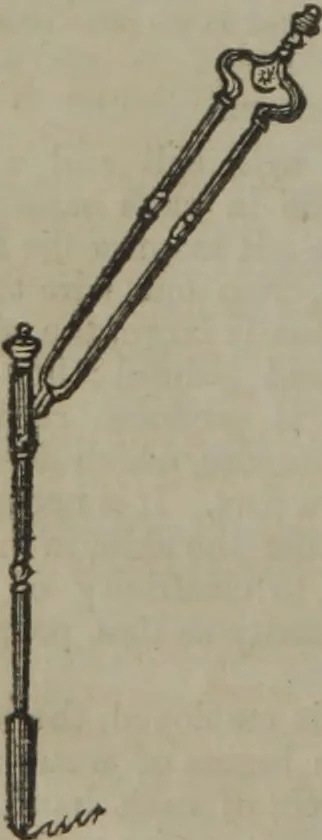
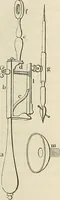
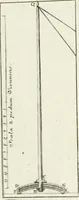
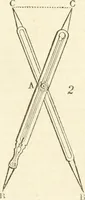
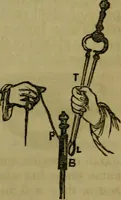
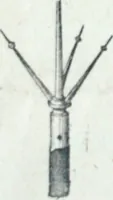
low themiddle, holding them in avertical position ; then letthe steel bar be rubbedwith the lower end of thetongs, from the bottomto the top, about a dozentimes on each side. Bythis means, sufficient mag-netic power may be givento the bar to enable it tolift small pieces of iron andsteel. The lower… … 70. A magnet may be made by robbing a pieceof hard steel witli a natural or artificial magnet.Take a common sewing needle, and puss the northpole of a ma-rnet from the rye to the point, press,ing it gently in so doing. After reaching the endof the needle, the magnet must not be passedback again…
Physics
Internet Archive · Medical Heritage Library · Public Domain Mark 1.0. Free to use for anything.