A Dictionary of science, literature, and art [electronic resource]: comprising the history, description, and scientific principles of every branch of human knowledge; with the derivation and definition of all the terms in general use (1844)
Brande, William Thomas, 1788-1866, Cauvin, Joseph · New York : Harper & brothers · leaf 91
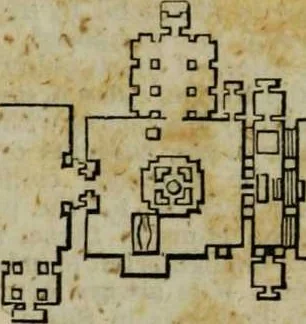
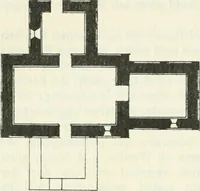
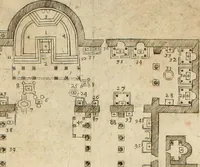
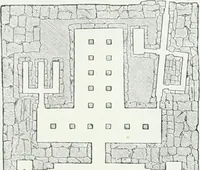
y of practice, had a tendency to repress them.Again : scarce any system could be conceived less likelyto develope talent in ordonnance than the use of subterra-nean edifices, which admit of no variety of plan, no extentof elevation, nor lead to any of those conceptions whichthe taste of the… … we find some of them hexagonal, without base, capital, orornament; some square, with a long cap, like carpentry.The greater number are composed of three parts; a squarepedestal, running up more than one half of the total height;a small portion of shaft, if we may so term it, crownedwith a capital…
Humanities · Medicine · Science · Literature · Arts · Encyclopedias and dictionaries
Internet Archive · Medical Heritage Library · Public Domain Mark 1.0. Free to use for anything.