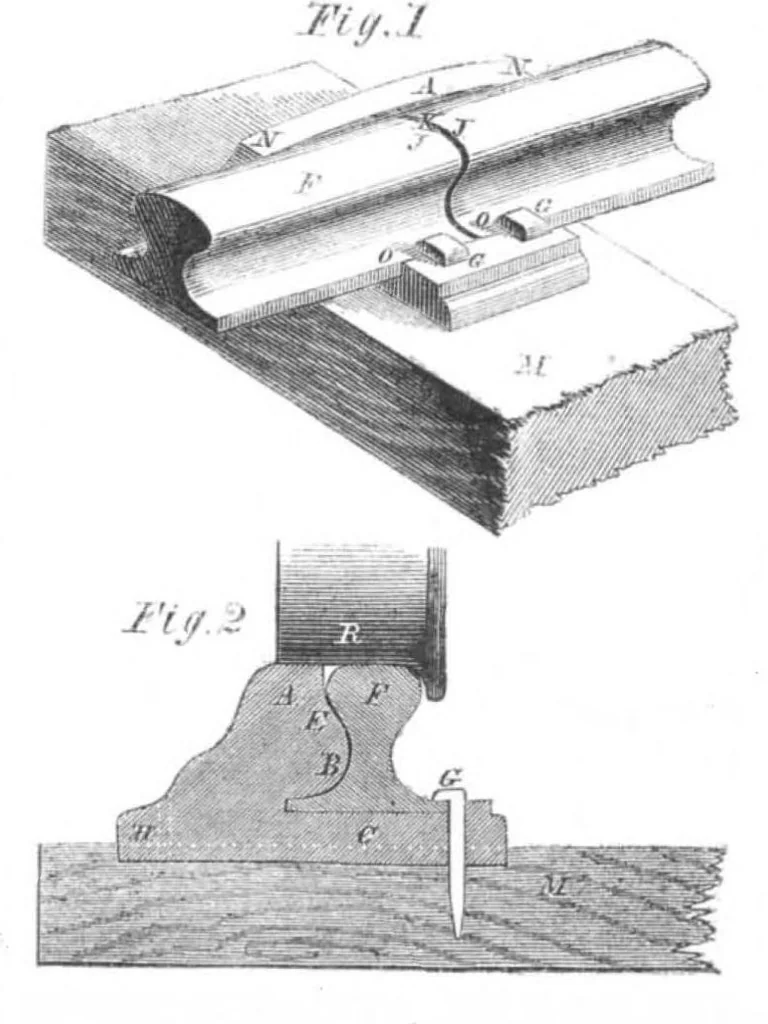
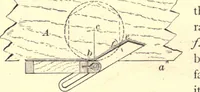
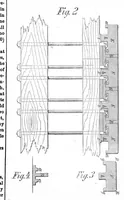
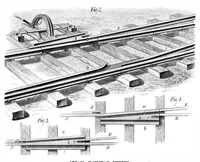
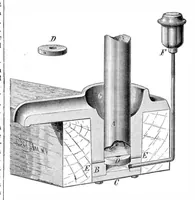
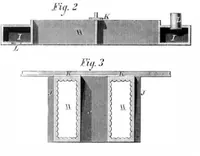
he cross-tie. J J are the ends of two dle-wheels and ordinary carriage wheels. car, and operated by a windlass. So successful were rails, which ought to be laid as close together as possible ; Dircuine anp Drepeing Macuixr.—Anton Menge, these school-experiments that balloons were made for of Point… … descended, having apparently perfect control over his for_architectural purposes, or taking casts of sculpture, balloon. It is not stated how this affected the result or other uses. The composition hardens quickly by ex- but when laid in cold weather, a space, K, should be left of the battle; it…
Internet Archive · Public domain (published before 1931). Free to use for anything.