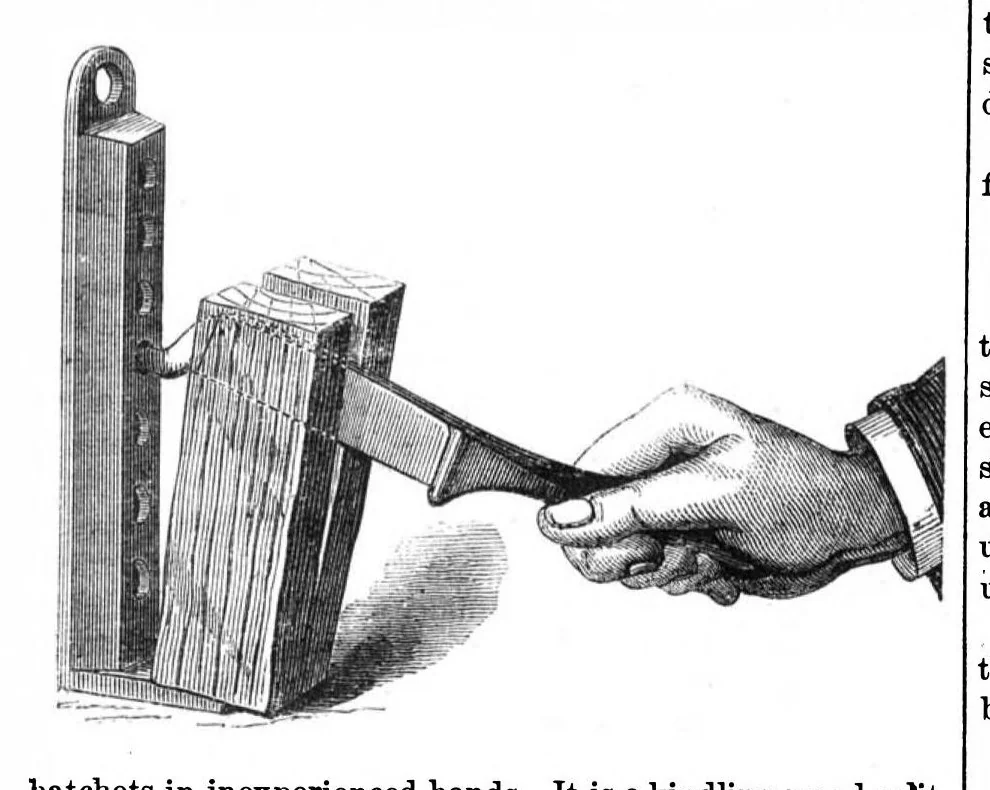
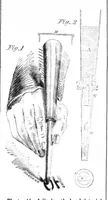
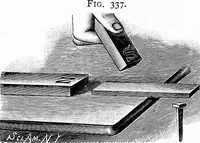
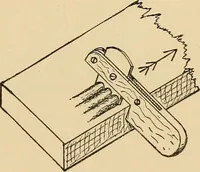
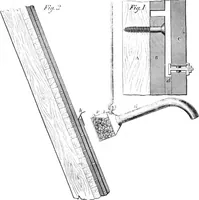
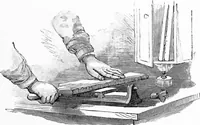
e does not exceed 5 to 8 feet so that both the fulcrums of the upper plate rest in corres- This ingenious little device will doubtless save many of per mile, for 20 or 30 miles, the joints of the western are ponding recesses inthe sole plate, in which position the self-inflicted cutsand bruises due… … heel end of the upper plate is depressed and rocks on the 210 eo hatchets in inexperienced hands. It is a kindling wood split- rear fulcrum, which causes the toe end of the plates to ex- THE number of blood globules is greater in mammifers ter, and consists simply of a strong blade, at one end of…
Internet Archive · Public domain (published before 1931). Free to use for anything.