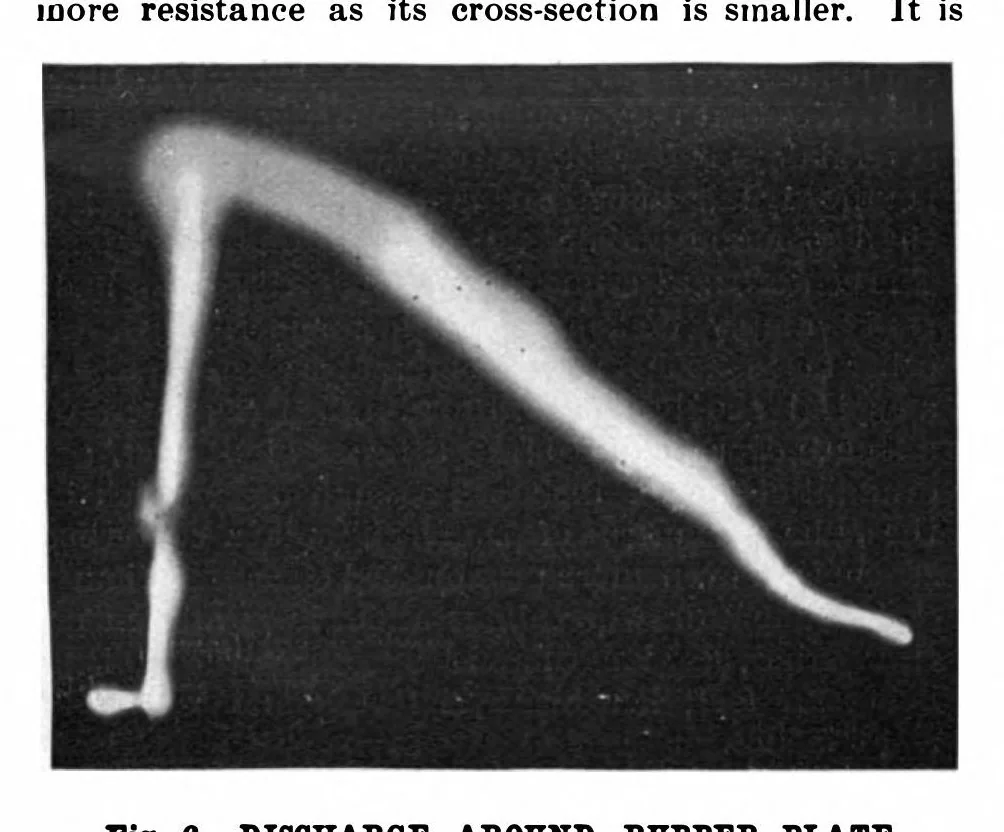
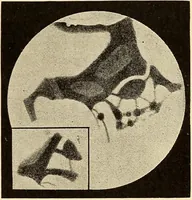
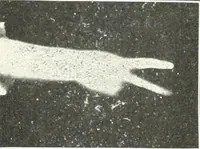
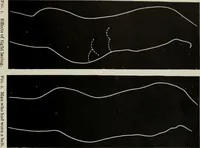
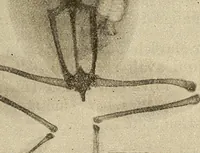
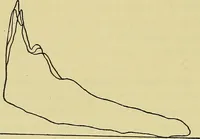
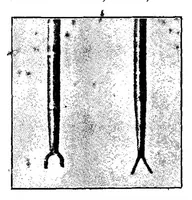
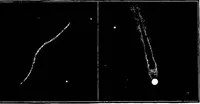
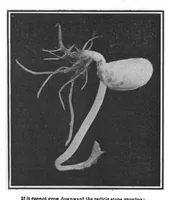
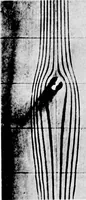
ough would still divide up into branches and twigs, because aconductor. The film on the glass plate is a conduc- of the fact that radial lines of current would still be tor, but the glass is not. A conductor has less resist- produced by paths of least resistance and these paths ance in proportion… … When the knobs are too far apart to permit spark- Fig. 6.--DISCHARGE AROUND RUBBER PLATE. ing, the result is a brush-discharge, and when a sensi- PHOTOGRAPHED WITH CAMERA. tive plate is held vertically therein, the result is as shown in Fig. 3. evident that where the spark strikes, the film has but…
Internet Archive · Public domain (published before 1931). Free to use for anything.