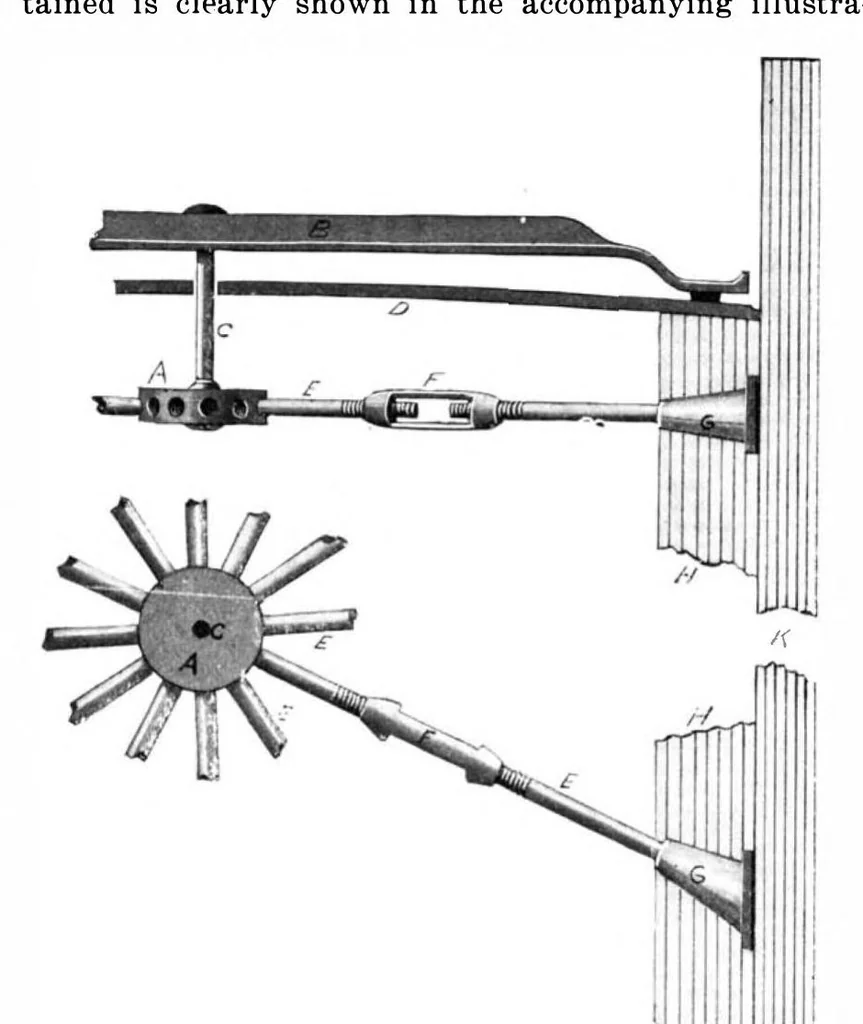
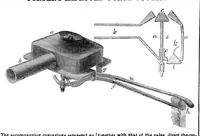
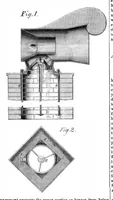
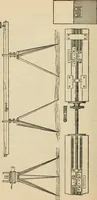
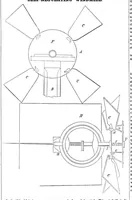
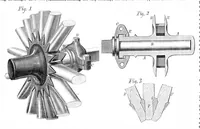
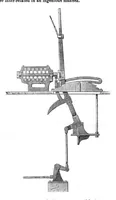
trations. Each head, G, not lost. It is no longer necessary to force the piano consists primarily of two parts—a tapered foot and in order to obtain great sonority; for the instru- a plate so inclined that it lies flat against the rim. ment responds at once with little effort. From this design it… … praised him for the wonderful sweetness and singing E. A. and R. W. Gertz, and embodied in the pianos of quality of his tone, attributing the graceful effects Mason & Hamlin, of Boston, Mass. produced to the early training which he had received Doubtless the question has presented itself to many…
Internet Archive · Public domain (published before 1931). Free to use for anything.