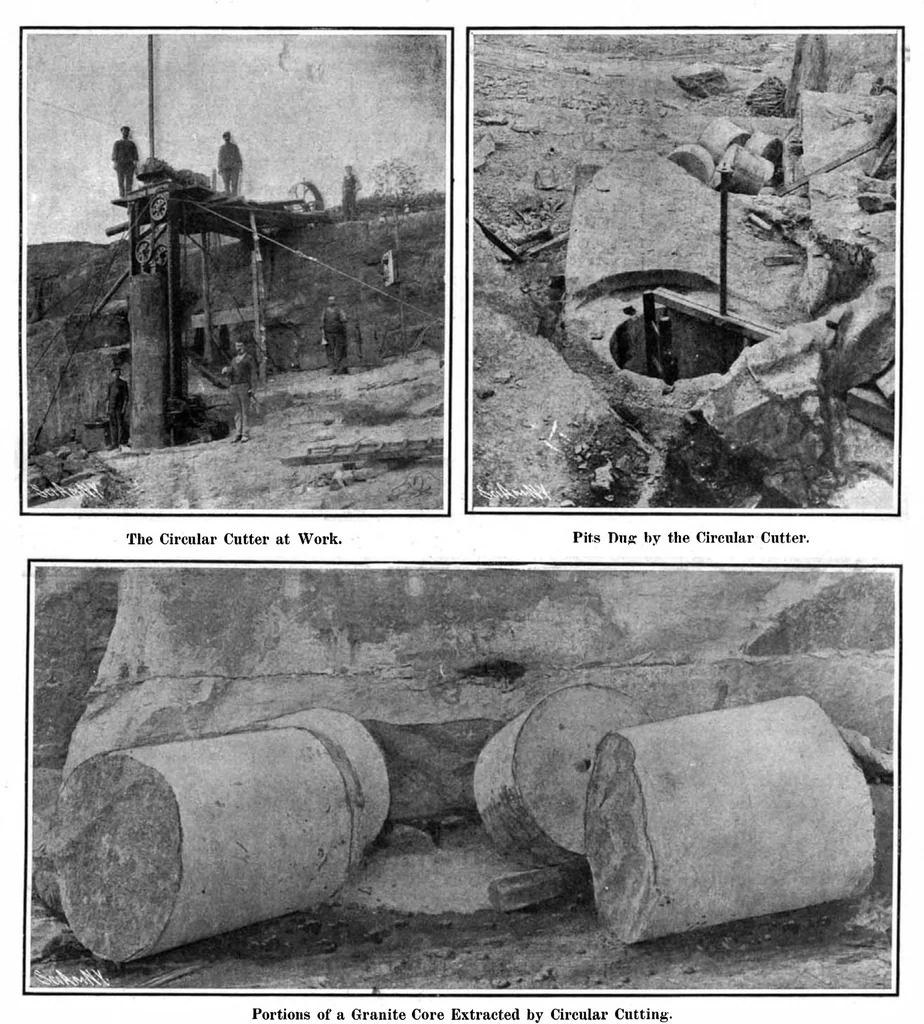
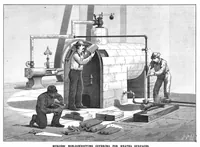
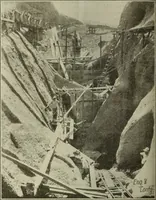
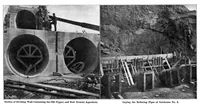
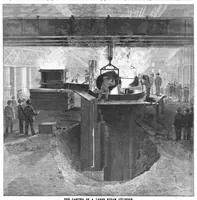
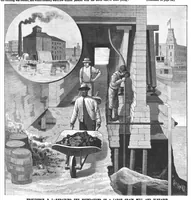
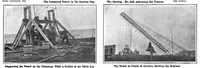
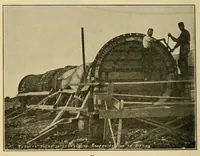
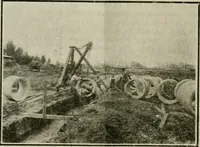
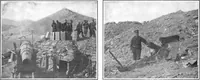
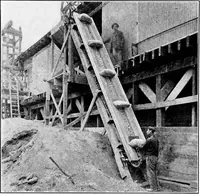
Mr. William T. Hornaday, When it is desired to bore deep holes, a second cylin- tube. The displacement of the movable support is who had been sent by a great London firm to the East der of 140 inches diameter may’be superposed; and Indies to study the orang-outang in its native forests sometimes… … taxidermist are its lower part are simple. They formed alternate comprise sharp teeth upon con- BORING OUT COLUMNS IN SOLID ROCK. scalpels, dissect- centric circumfer- general thing, however, the boring is not done to a ing pincers, mallets, saws, files, scissors, awls or ences. This arrangement of…
Internet Archive · Public domain (published before 1931). Free to use for anything.