Animal coloration; an account of the principal facts and theories relating to the colours and markings of animals (1892)
Beddard, Frank E. (Frank Evers), 1858-1925 · London, S. Sonnenschein & co.; New York, Macmillan & co. · leaf 157
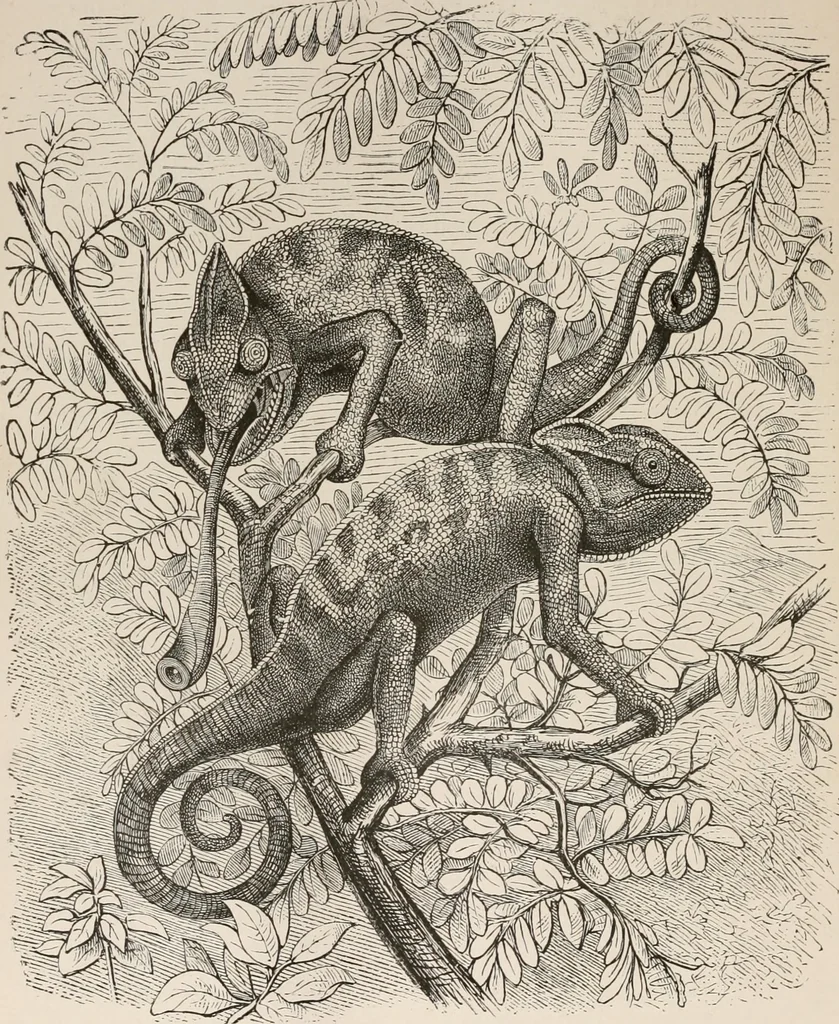
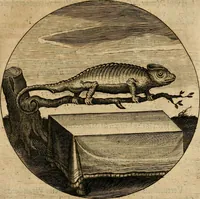
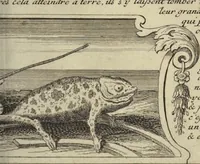
es of colour depend not onthe nature of the ground, but on the amount of light ; for theblackest ground did not produce the darkest coloration in the-fish until the amount of light was diminished. The sole doesnot become uniformly coloured on a uniformly coloured ground.The fact that it does… … Fig. 12.—Chameleon. This is a simpler explanation than that which Semper offers.** Animal Life (Internat. Scientific Series), p. 97. 1UOTKCTIVE COLOUATION. 143 tempers explanation is based upon certain researches into thedifferent effects upon the eyes of different colours. The eyeis stimulated…
Color of animals
Internet Archive · Biodiversity Heritage Library · Public Domain Mark 1.0. Free to use for anything.