Animal coloration; an account of the principal facts and theories relating to the colours and markings of animals (1892)
Beddard, Frank E. (Frank Evers), 1858-1925 · London, S. Sonnenschein & co.; New York, Macmillan & co. · leaf 175
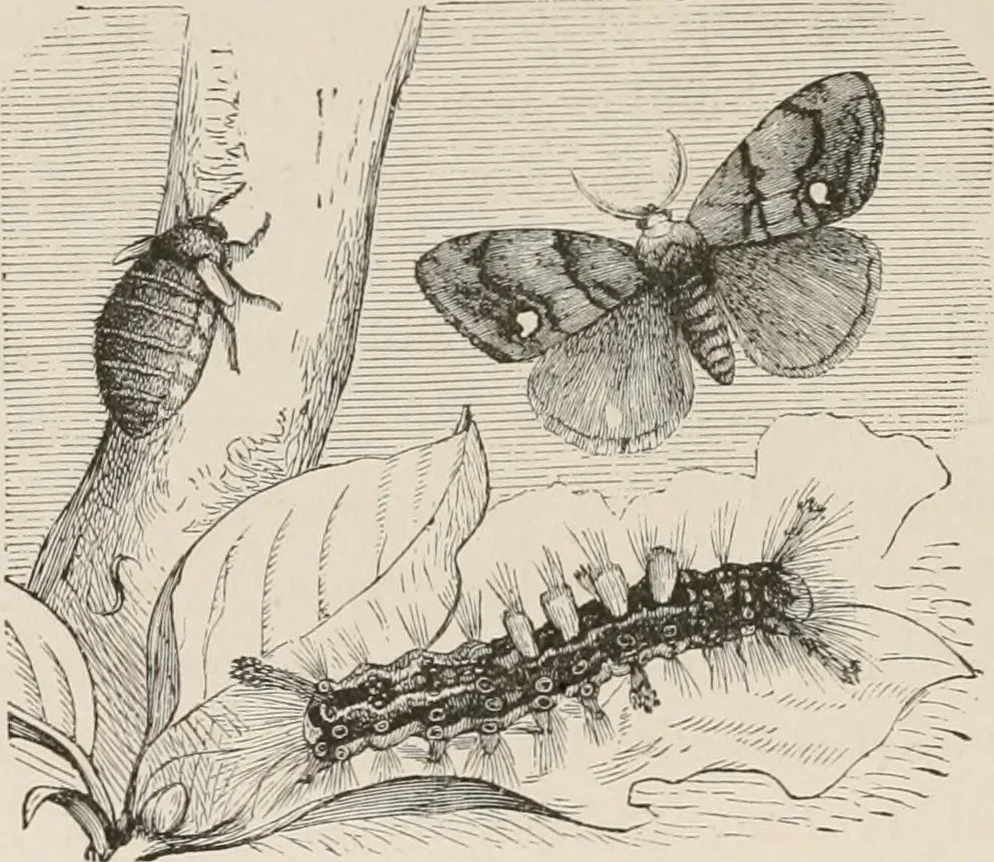
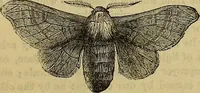
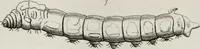
eat it. The lizard 16d ANIMAL COLOBATN >N. appeared to intimate that it would eat the caterpillar if it werenot for its hairy covering. No such hesitation was exhibitedby another lizard, Uraniscodon i>l/cu, which captured and ateone with the greatest rapidity. The large ground beetle (Cambus… … Fig, 17.—Vapourev M.tli : male, female, and larva. gave one the impression of being rather afraid ; but neverthe-less they attacked it, and ultimately it was eaten. The wasp is one of the best examples of a conspicuousappearance associated with a dangerous quality, and yet it hasmany enemies; toads…
Color of animals
Internet Archive · Biodiversity Heritage Library · Public Domain Mark 1.0. Free to use for anything.