Astronomy with an opera-glass: a popular introduction to the study of the starry heavens with the simplest of optical instruments, with maps and directions to facilitate the recognition of the constellations and the principal stars visible to the naked eye; (1888)
Serviss, Garrett Putman, 1851-1929 · New York, London, D. Appleton and company · leaf 137
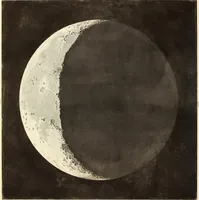
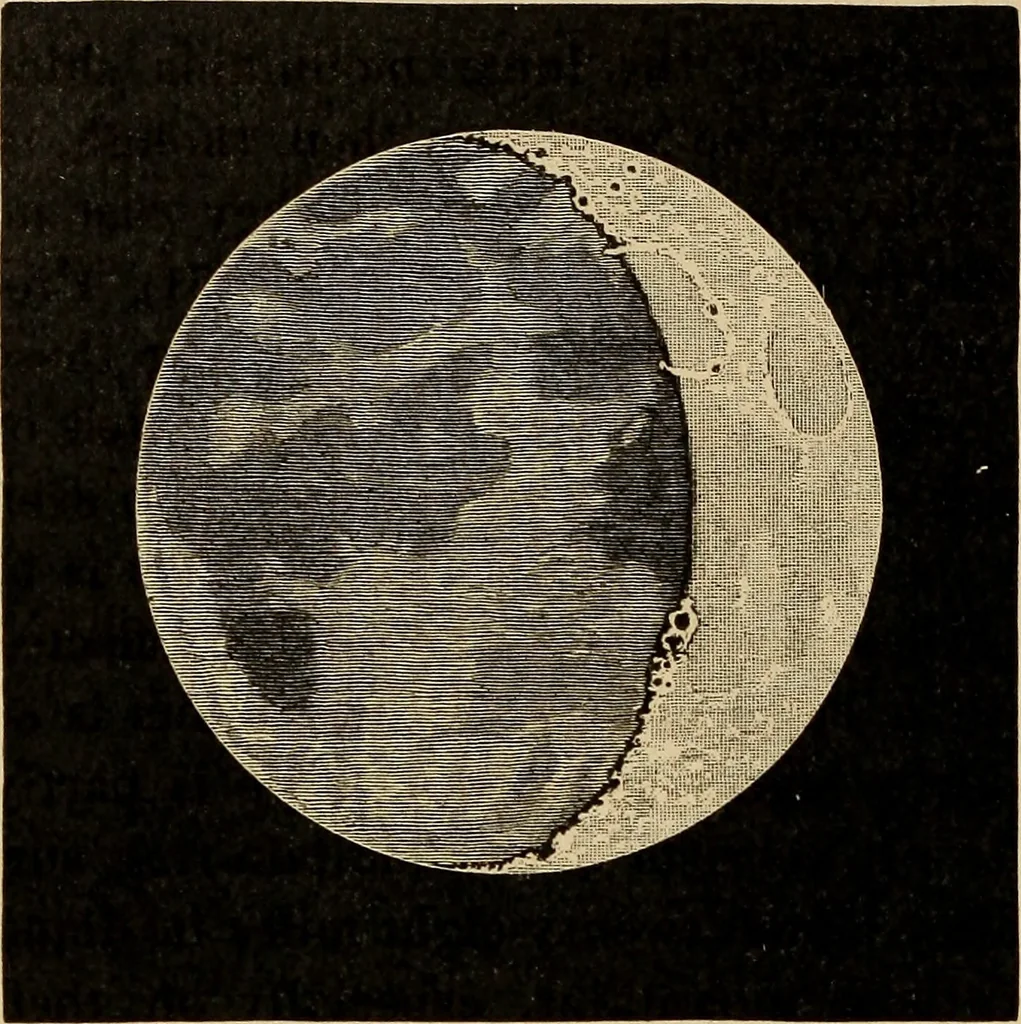
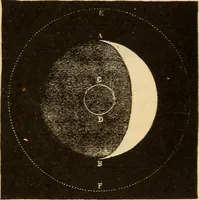
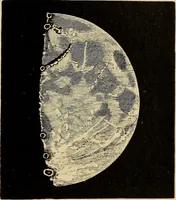
ofRichard Adams Locke. With an opera-glass you can readi-ly recognize Aristarchus as a bright point at full moon.With a field-glass it is better seen, and some of the short,light rays surrounding it are perceived, while, when the sunis rising upon it, about four days after first quarter, its… … earth of that portion of the moons surface which is nottouched directly by sunlight at new and old moon. This phenomenon isshown in the ac-companying illus-tration. Not onlycan the outlines ofthe dark part ofthe moon be seenunder such circum-stances, but eventhe distinction incolor between thedusky…
Astronomy
Internet Archive · Library of Congress · Public Domain Mark 1.0. Free to use for anything.
![An illustration from Novae coelestium terrestriumq[ue] rerum observationes : et fortasse hactenus non uulgatae (1646)](https://img.insideoutlibrary.com/img/200/ia-novaecoelestiumt00font-108-45.webp)