Astronomy with an opera-glass: a popular introduction to the study of the starry heavens with the simplest of optical instruments, with maps and directions to facilitate the recognition of the constellations and the principal stars visible to the naked eye; (1888)
Serviss, Garrett Putman, 1851-1929 · New York, London, D. Appleton and company · leaf 82
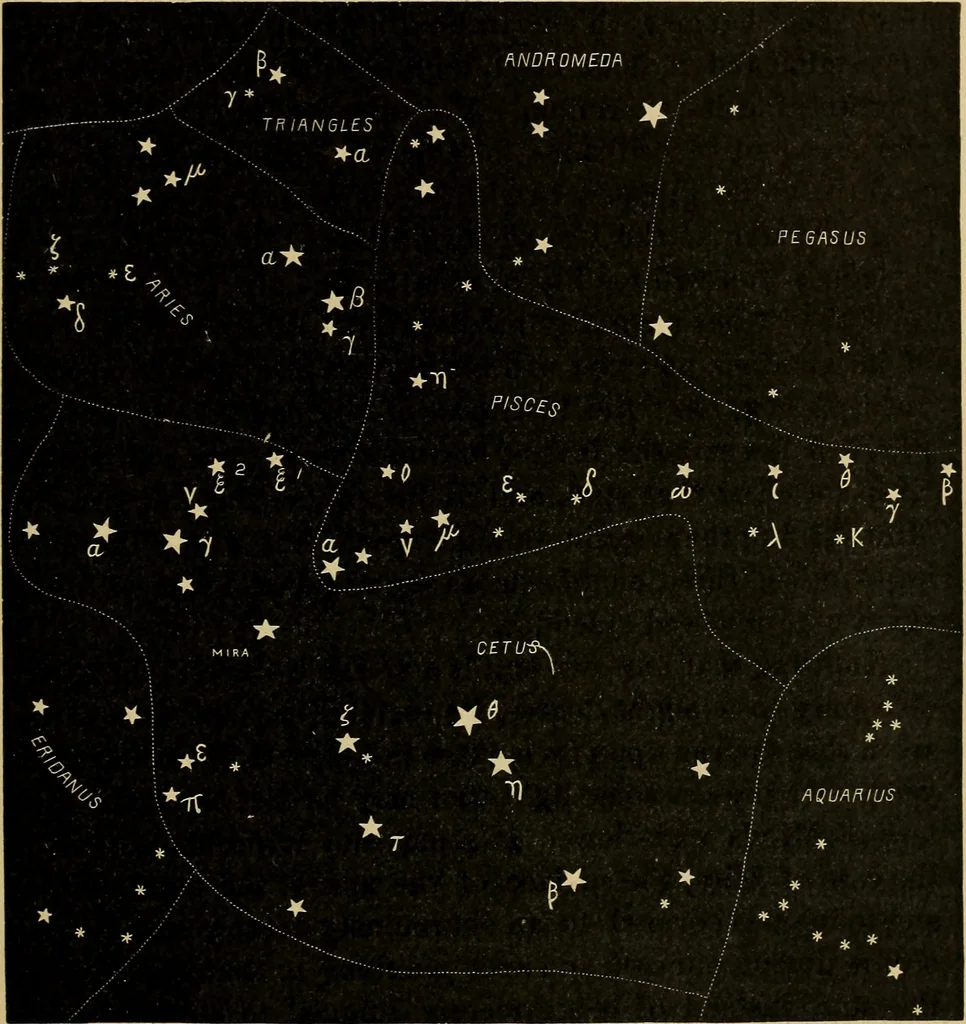
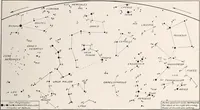
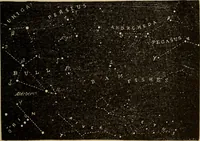
s, and along, crooked, and dangerous-looking tail. Indeed, Aratusdoes not call it a whale, but a sea-monster, and Dr.Seiss would have us believe that it was intended to represent THE STARS OF AUTUMN. 71 the leviathan, whose terrible prowess is celebrated in thebook of Job. By far the most… … Map 16. period from maximum to maximum being about elevenmonths. During about five months of that time it is com-pletely invisible to the naked eye ; then it begins to appear 72 ASTRONOMY WITH AN OPERA-GLASS. again, slowly increasing in brightness for some three months,until it shines as a star of…
Astronomy
Internet Archive · Library of Congress · Public Domain Mark 1.0. Free to use for anything.