Animal coloration : an account of the principal facts and theories relating to the colours and markings of animals (1892)
Beddard Frank E. (Frank Evers), 1858-1925, Royal College of Physicians of Edinburgh · London : S. Sonnenschein · leaf 110
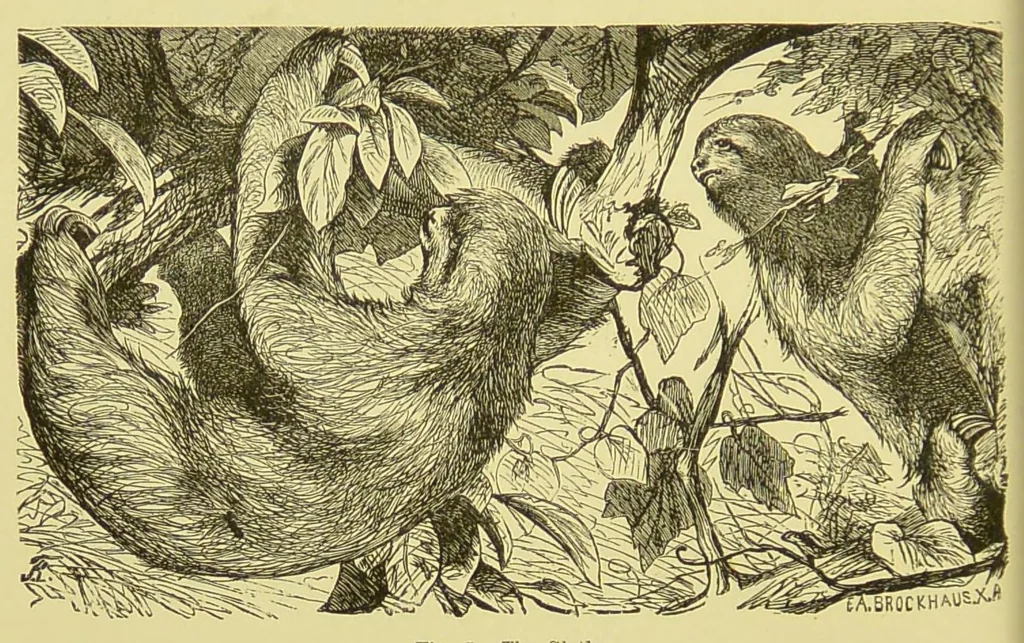
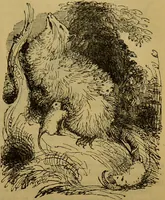
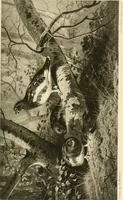
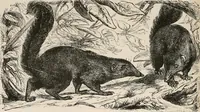
96 ANIMAL COLORATION. sluggisliness of the animal, this colour may have a protective value. The colour, however, curiously enough, is purely ad- ventitious, and is the only example of the kind among the Mammalia. In captivity the sloth gradually loses this green colour, and becomes greyer ; this is… … Fig. 5.— The Sloth. which, as Mr. Sorby first discovered, are the cause of the peculiar coloration ; doubtless it is the absence of a damp and warm climate that is fatal to the Algte, and is the cause, therefore, of what appears to be an actual change in the colour of the hair itself. It would be…
Animals - Color
Internet Archive · Royal College of Physicians in Edinburgh · Public domain (published before 1931). Free to use for anything.