A beginner's star-book; an easy guide to the stars and to the astronomical uses of the opera-glass, the field-glass and the telescope (1912)
Murphy, Edgar Gardner, 1869-1913 · New York, London, G.P. Putnam's Sons · leaf 98
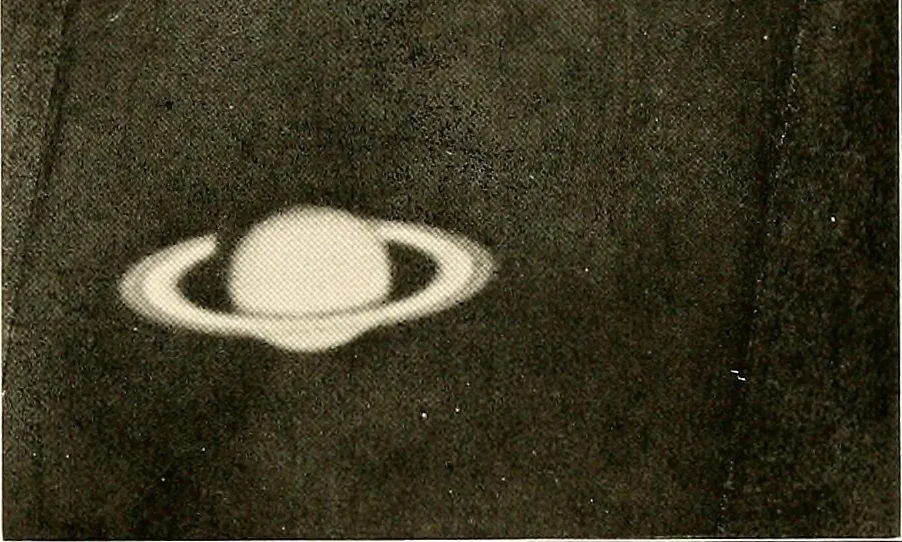
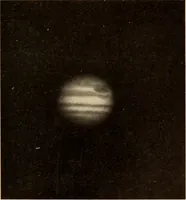
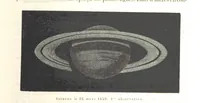
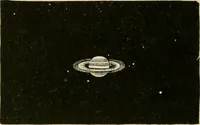
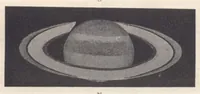
an often be distinguished by its reddish glow; Saturn by its steady yellow light;Jupiter by its great size, and the soft white color of its globe. Venus is also large andbrilliantly white, but it can usually be distinguished from Jupiter by its proximity to theSun. Jupiter may sometimes be seen… … SATURN, 1 910 VhiiUtgraphed at Hit LoUill Observalury, Flagstai Arizona Mercury (i?) Mercury is even nearer the Sun than Venus; and while at times quite bright, it is soconstantly lost for us in the excessive light that the mere seeing of it is, for the amateurobserver, a real achievement.…
Astronomy
Internet Archive · Wellesley College Library · Public Domain Mark 1.0. Free to use for anything.