The Clyde from its source to the sea, its development as a navigable river, the rise and progress of marine engineering and shipbuilding on its banks, and the leading historical, geological, and meteorological features of the Clyde Valley (1888)
Millar, W. J · London, Blackie · leaf 128
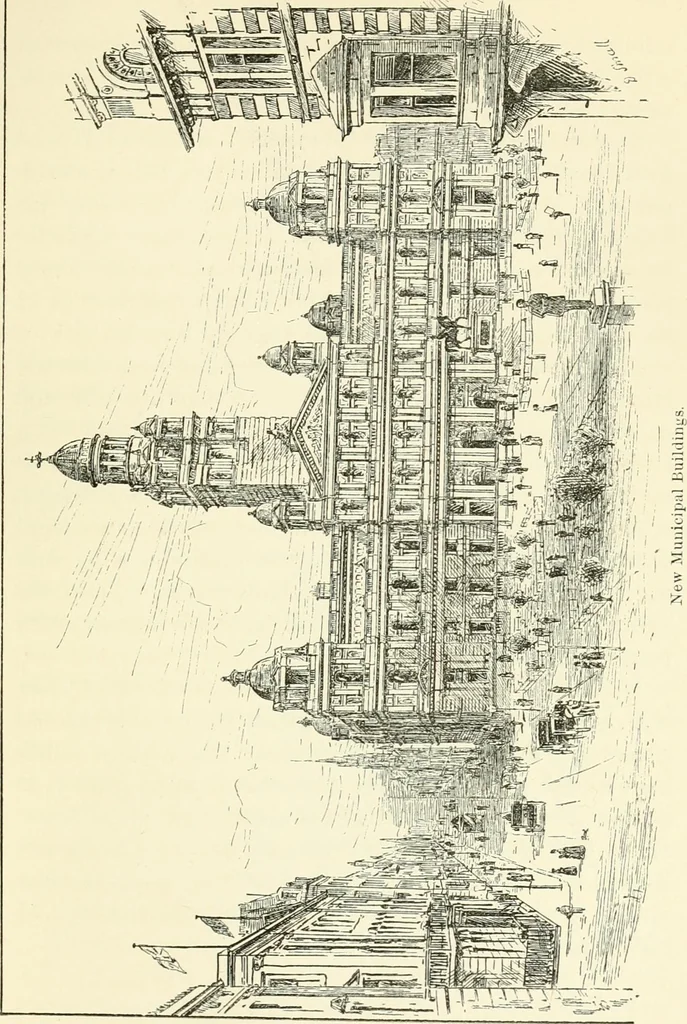
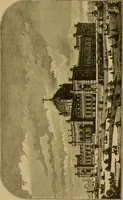
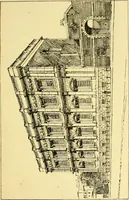
sides the CouncilChamber and various offices a large banqueting hall isone of the features, measuring 110 feet in length by 50feet wide; the height of this hall is 50 feet. In modern buildings Glasgow can boast of having thetallest chimney-stalks in the world. The great stalk atMessrs. Tennants St.… … 1 110 THE CLYDE: FROM SOURCE TO SEA. external diameter is 13 feet G inches, with a thickness of1 foot 2 inches. The chimney has a slightly-curved hatteror rate of variation in width. The chimney at Messrs. Townsends Chemical Works,built 1857, is 468 feet high, of which 454 feet is above-ground. An…
Steam-navigation · Clyde River (Scotland)
Internet Archive · University of Toronto, Robarts Library · Public Domain Mark 1.0. Free to use for anything.