The Clyde from its source to the sea, its development as a navigable river, the rise and progress of marine engineering and shipbuilding on its banks, and the leading historical, geological, and meteorological features of the Clyde Valley (1888)
Millar, W. J · London, Blackie · leaf 202
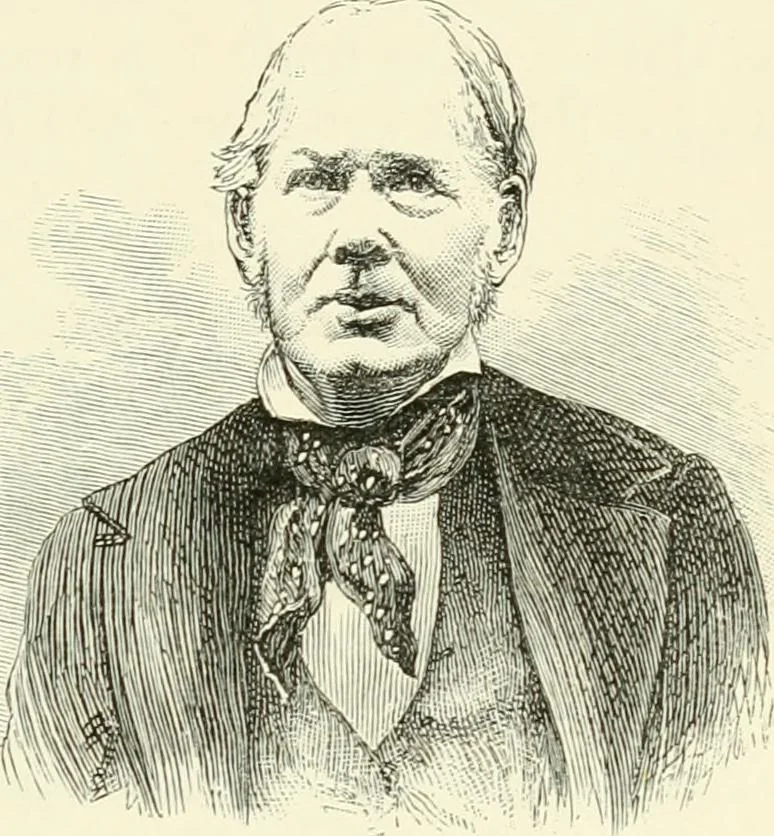
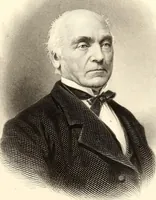
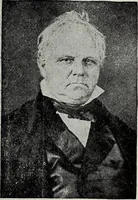
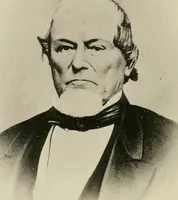
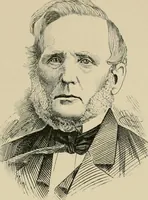
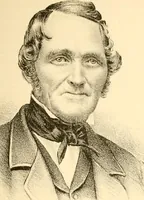
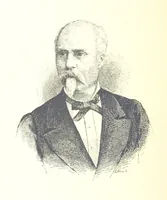
is produced; the farein the best cabin being only four shillings, and in theinferior one two shillings and sixpence; whereas theinside of a coach costs not less than twelve shillings,and the outside eight shillings. The Clyde, 69 tons, was also built by John Wood. Shewas 76 ft. long over all, 72… … John Robertson.—From a photograph. 176 THE CLYDE: FROM SOURCE TO SEA. The Glasgow, 74 tons, was built by John Wood, andwas 72 ft. long by 15 ft. beam. The engine was a side-lever one, of 16 h.p., with a cylinder 20 in. diameter, stroke2 ft., and was made by James Cook. This vessel ran toLargs and…
Steam-navigation · Clyde River (Scotland)
Internet Archive · University of Toronto, Robarts Library · Public Domain Mark 1.0. Free to use for anything.