The Clyde from its source to the sea, its development as a navigable river, the rise and progress of marine engineering and shipbuilding on its banks, and the leading historical, geological, and meteorological features of the Clyde Valley (1888)
Millar, W. J · London, Blackie · leaf 203
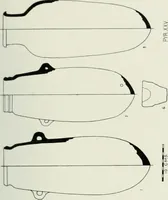
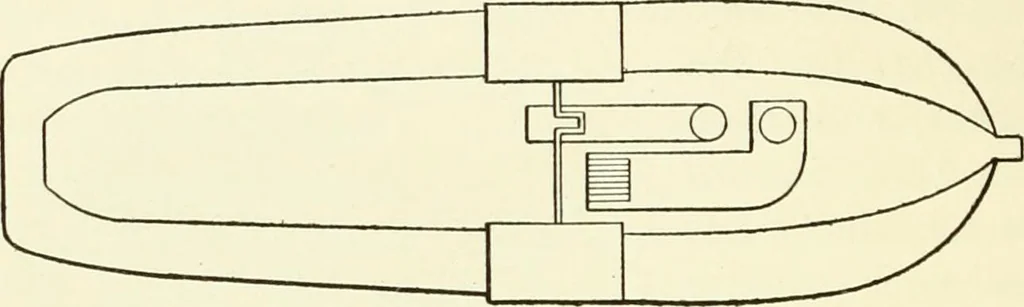
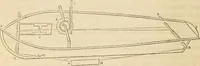
John Robertson.—From a photograph. 176 THE CLYDE: FROM SOURCE TO SEA. The Glasgow, 74 tons, was built by John Wood, andwas 72 ft. long by 15 ft. beam. The engine was a side-lever one, of 16 h.p., with a cylinder 20 in. diameter, stroke2 ft., and was made by James Cook. This vessel ran toLargs and… … of these early boats is shown by the annexed plan andsection. In 1814, six steamers appear to have been built—viz.the Industry, Trusty, Princess Charlotte, Prince ofOrange, Marjery, and Argyle. The Industry, still exist-ing, was built, it is said, by Fyfe at Fairlie in 1814,her builders being…
Steam-navigation · Clyde River (Scotland)
Internet Archive · University of Toronto, Robarts Library · Public Domain Mark 1.0. Free to use for anything.

![An illustration from Famous airmen and their equipment [electronic resource] : with some notes on first-aid in emergencies (1912)](https://img.insideoutlibrary.com/img/200/ia-b20457716-19-15.webp)