Comparative physiognomy; or, Resemblances between men and animals (1852)
Redfield, James W · New York, Redfield · leaf 174
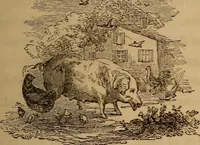
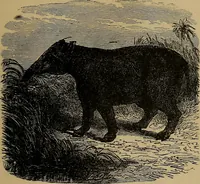
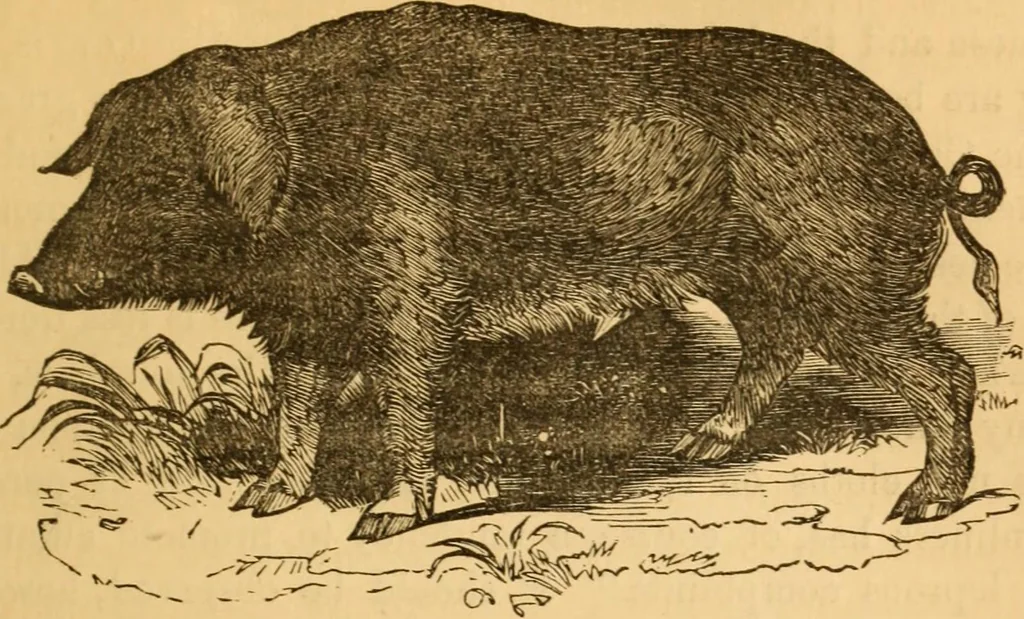
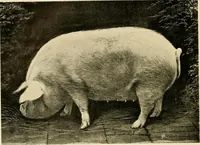
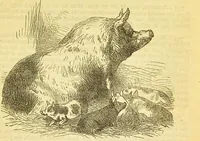
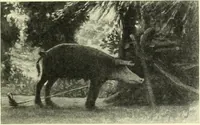
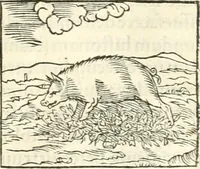
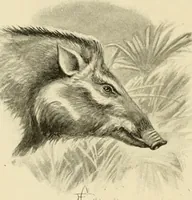
the dis-position to have everything to themselves. This exclusive-ness is assisted by large secretiveness, which is indicated inthe expansion of the wing of the nostril, which sign is largein the hog, together with the sign of inquisitiveness, or theupward tendency of the end of the snout,… … trait for which the Chinese are as remarkable as for theirsecretiveness. No doubt the Chinaman, judging from him-self, attributes inquisitiveness to others, and this keeps hissecretiveness in a constant state of excitement; and it is withgreat reluctance that he opens the gates of the celestial…
Physiognomy
Internet Archive · Medical Heritage Library · Public Domain Mark 1.0. Free to use for anything.
![An illustration from Eighty Years' Progress of the United States: a family record of American industry, energy and enterprise ... By eminent literary men [C. L. Flint and others] ... Embellished with ... engravings, etc (1868)](https://img.insideoutlibrary.com/img/200/bl-bl_003734531_1-80-1.webp)
![An illustration from Eighty Years' Progress of the United States: a family record of American industry, energy and enterprise ... By eminent literary men [C. L. Flint and others] ... Embellished with ... engravings, etc (1868)](https://img.insideoutlibrary.com/img/200/bl-bl_003734531_1-79-2.webp)