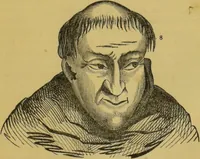
Comparative physiognomy; or, Resemblances between men and animals (1852)
Redfield, James W · New York, Redfield · leaf 213
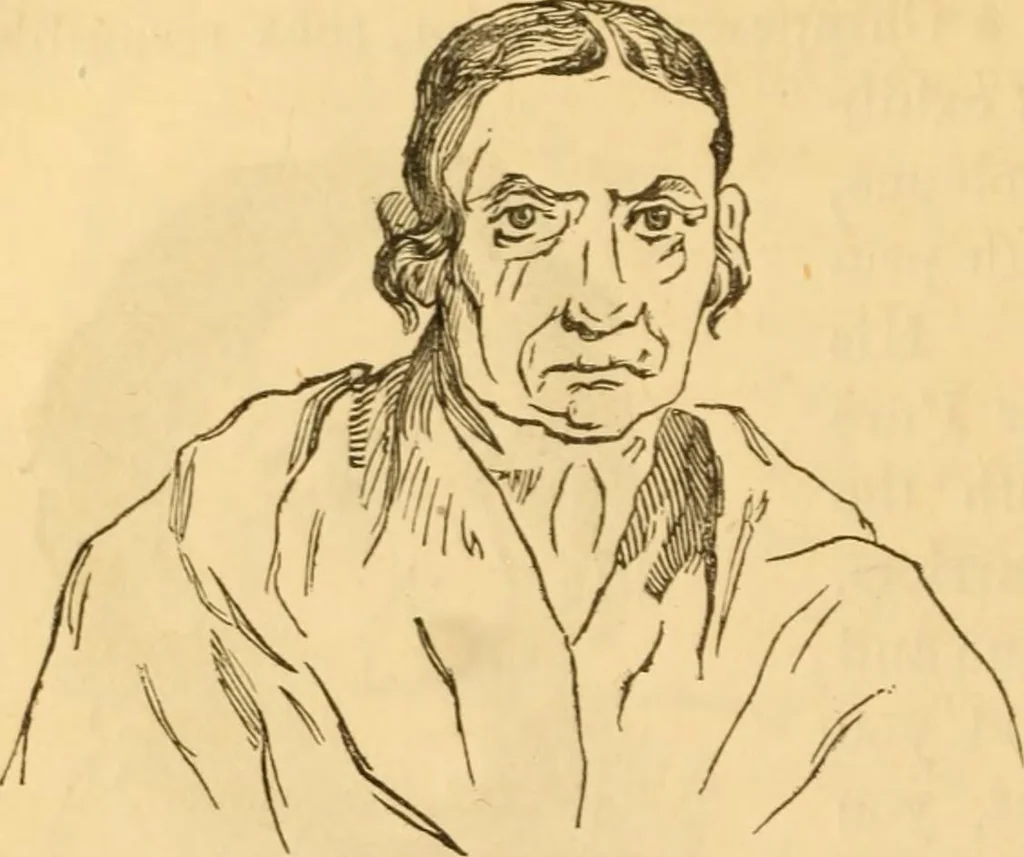
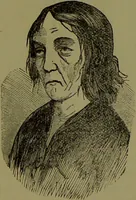
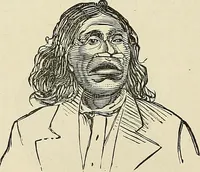
tter is so very strong. The length and vigor of the loinsin the squaw, indicating the same quality of parental love asin the bear, is very great, and it is known that the Indianshave many times stolen children from the whites and broughtthem up in their own way. On the following page is the… … The change appears,to have been inimical to beauty,perhapsbecause it was too sudden, or because the materials were notof the right kind. Parental love in thebear is reciprocated byan almost equal de-gree of filial affectionon the part of the cub.In the young Indianthe affection for pa-rents is very…
Physiognomy
Internet Archive · Medical Heritage Library · Public Domain Mark 1.0. Free to use for anything.