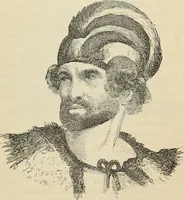
Comparative physiognomy; or, Resemblances between men and animals (1852)
Redfield, James W · New York, Redfield · leaf 322
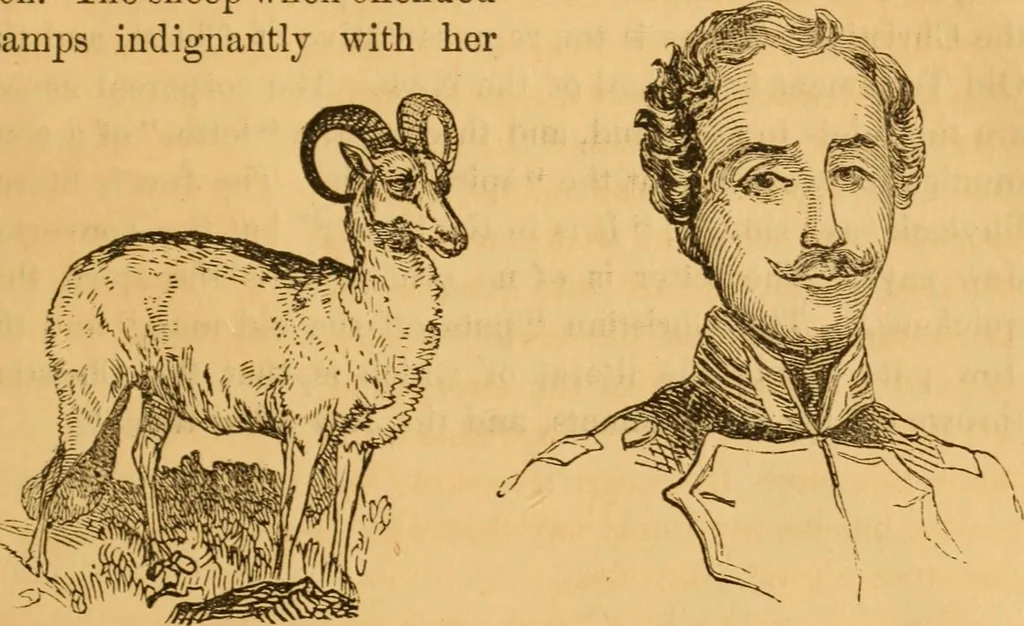
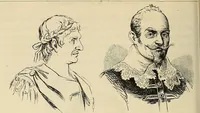
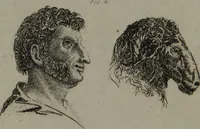
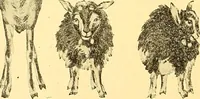
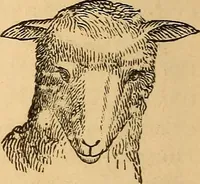
es, the flock is sure to follow. Heleadeth them out, he calleth them all by name, and they fol- THE SHEEP. 319 low him, but a stranger will they not follow, for they knownot the voice of strangers. Where the people are unani-mous, and will not be diverted from following their leader,what victories… … foot. This comes from relative-defence and love of liberty.It is a noble trait of character, one for which the Greeks dis-tinguished themselves in ancient times, and which their throw-ing off the Turkish yoke shows that they are still possessedof. Spirit and gentleness are united in this face of…
Physiognomy
Internet Archive · Medical Heritage Library · Public Domain Mark 1.0. Free to use for anything.