A compendium of astronomy; containing the elements of the science, familiarly explained and illustrated, with the latest discoveries. Adapted to the use of schools and academies, and of the general reader (1850)
Olmsted, Denison, 1791-1859 · New York, R. B. Collins · leaf 232
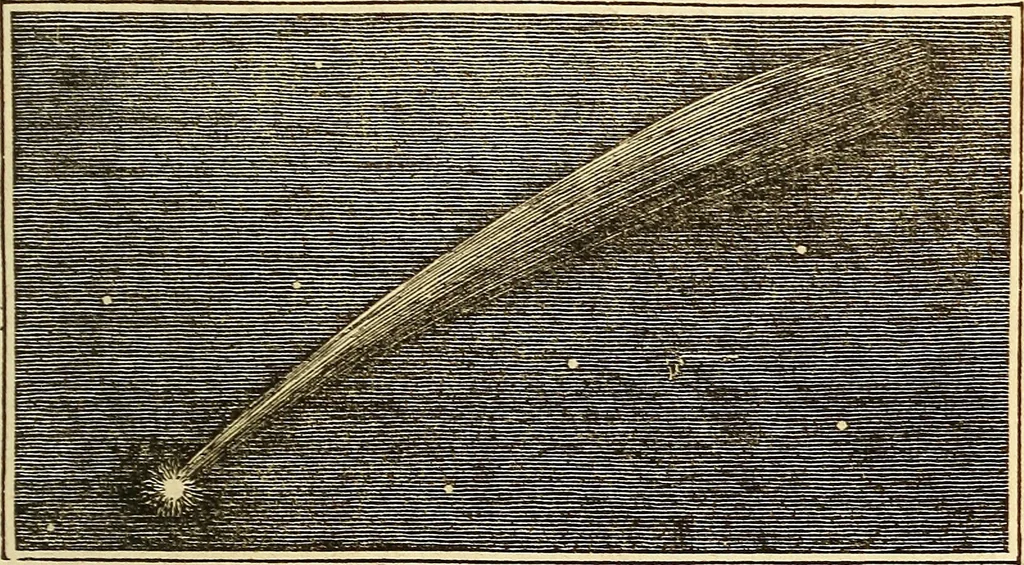
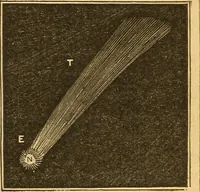
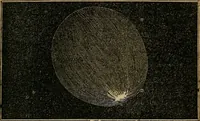
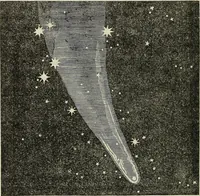
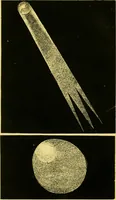
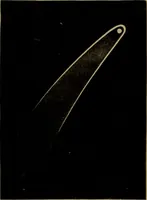
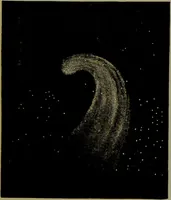
isa regular gradation of comets, from such as are com-posed merely of a gaseous or vapory medium, to thosewhich have a well defined nucleus. In some instanceson record, astronomers have detected with their tele-scopes small stars through the densest part of a comet.The Tail is regarded as an… … These several parts are exhibited in figure 48, whichrepresents the appearance of the comet of 1680. 277. Of what three parts does a comet consist 1 Describeeach. 220 COMETS. 278. The number of comets belonging to the solarsystem, is probably very great. Many, no doubt, escapeobservation by being…
Astronomy
Internet Archive · Library of Congress · Public Domain Mark 1.0. Free to use for anything.