Cyclopedia of applied electricity : a practical guide for electricians, mechanics, engineers, students, telegraph and telephone operators, and all others interested in electricity (1905)
American School (Chicago, Ill.) · Chicago : American School of Correspondence · leaf 18
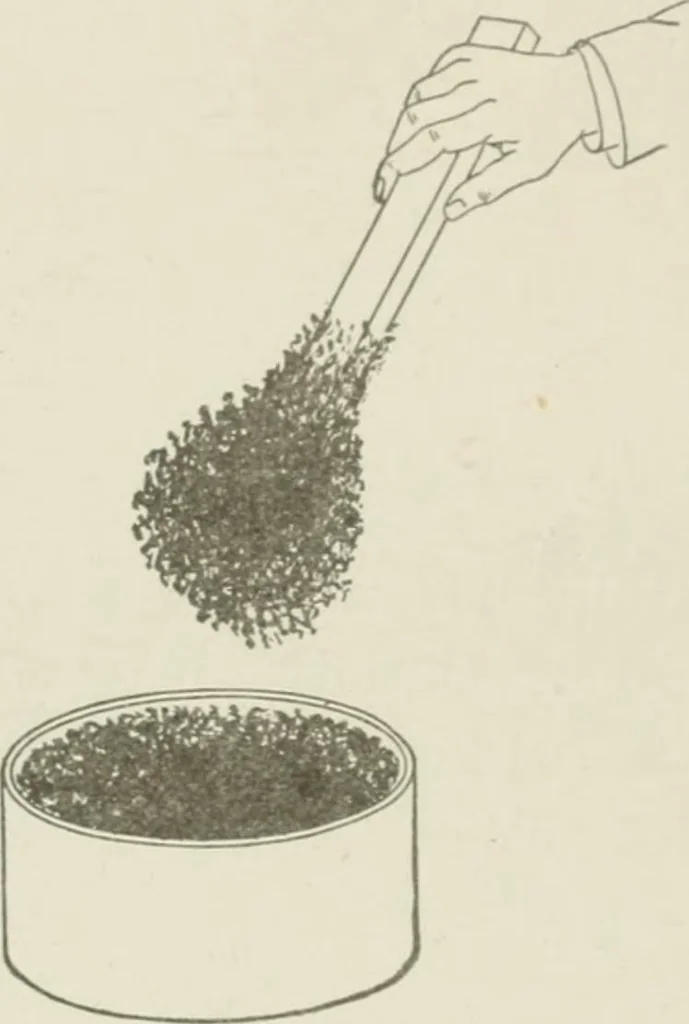
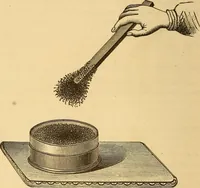
e magnet, where theatti-action is the greatest, are called poles. A common example of a magnet is the compass needle. Itis well known tliiit such a needle always places itaelf so as io point 11 EI.K.MKNTS OF KLKCTIIICITY. north and south, and that the saiTH pole always pointa toward thenorth. Tliis… … Fig. 1. attracts them and there is aj^parently no diffeience between thetwo poles. That there is a difference, however, may be shown byexperimenting witii two compass needles. If the north poles oftwo such needles be brought near each other, they will be repelled.In the same way the south polos…
Electrical engineering
Internet Archive · Gerstein Library, University of Toronto · Public Domain Mark 1.0. Free to use for anything.