Discoveries and inventions of the nineteenth century (1905)
Routledge, Robert · London : G. Routledge and Sons · leaf 462
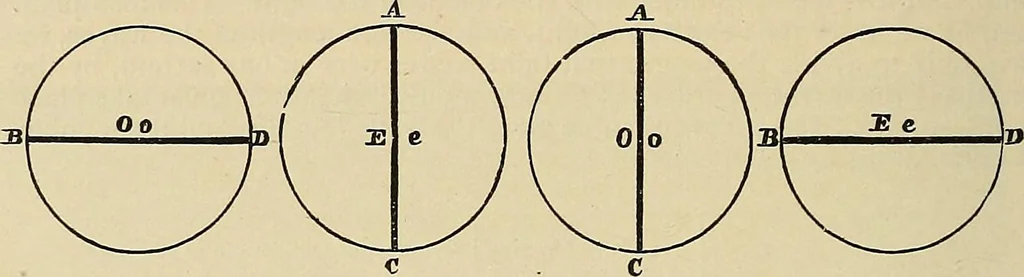
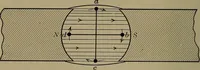
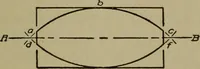
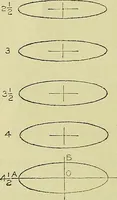
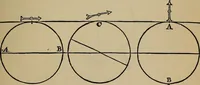
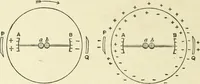
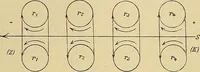
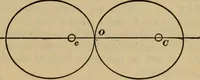
would be vibrating in the direction B D,and the other half in the direction A C; and further, the two directionswould be at right angles to each other—the vibrations forming the extra-ordinary ray being performed in a plane at right angles to that in which thevibrations producing the ordinary ray… … Fig. 214, It was at one time objeded to the theory which represents light as dueto wave-like movements that, just as the vibrations which constitute soundspread in all directions, and go round intercepting bodies, enabling us, forexample, to hear the sound of a bell even when a building intervenes,…
Inventions
Internet Archive · Boston Library Consortium · Public Domain Mark 1.0. Free to use for anything.