Electro astronomical atlas ... with explanatory notes, questions and answers (1874)
Spoor, J. W. (Joseph W.) · Albany, N.Y., Weed, Parsons and Company · leaf 49
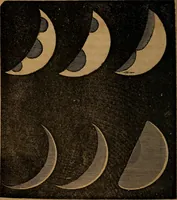
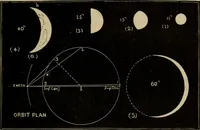
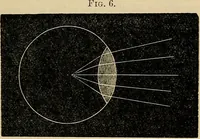
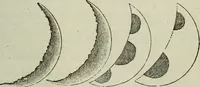
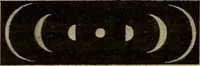
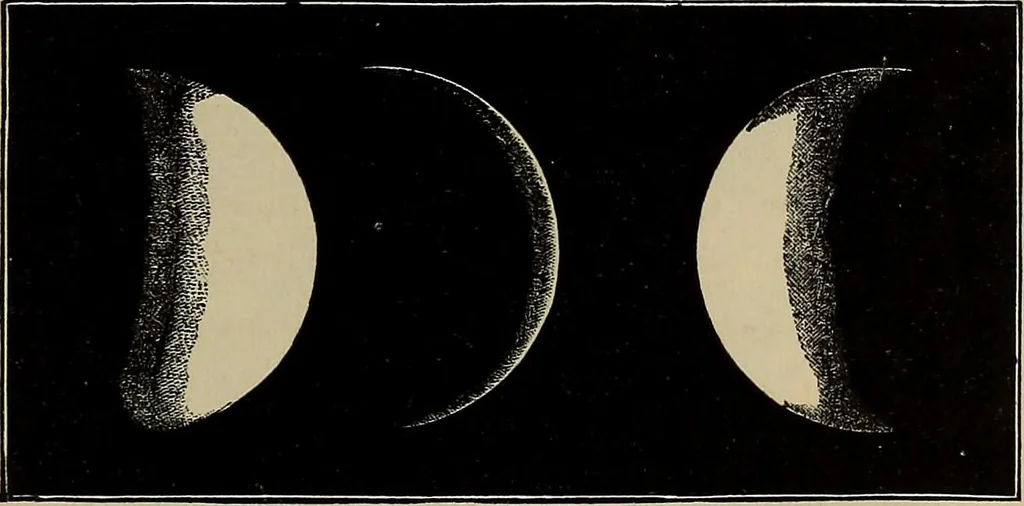
superior conjunc-tion?A. One hundred and(schroeter.) thirty-two million miles. Q. What months are most favorable for ob-serving this planet ? A. In the monthsof March or April,and in August or Sep-tember, when its great-est elongation hap-pens. Q. Why is it not easily seen in winter ? A. On account… … and sunset. Q. Why can it not be seen in summer ? A. The long twilight prevents our seeing anysmall object in the heavens. The great proximity of Mercury to the solarrays renders the observation of the planet some- what difficult; very little, therefore, is known ofits surface. One diligent…
Astronomy
Internet Archive · Library of Congress · Public Domain Mark 1.0. Free to use for anything.
![An illustration from Novae coelestium terrestriumq[ue] rerum observationes : et fortasse hactenus non uulgatae (1646)](https://img.insideoutlibrary.com/img/200/ia-novaecoelestiumt00font-104-43.webp)