Young, Charles A. (Charles Augustus), 1834-1908, Young, Anne Sewell, b. 1871., ed · Boston, New York [etc.] Ginn and Company · leaf 294
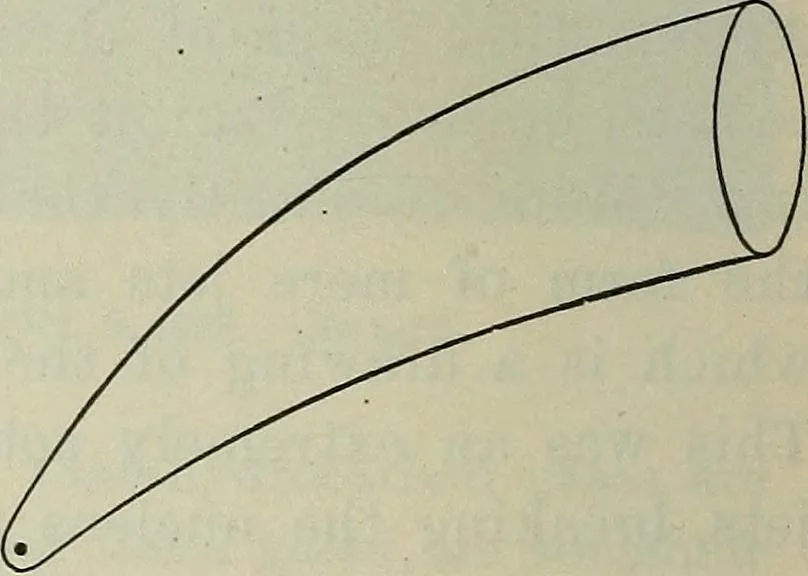
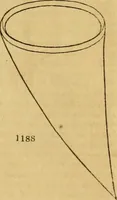
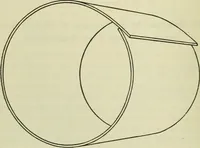
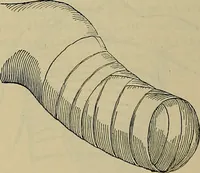
l is usually a sort of a flat, hollow, curved, horn-shaped cone, openat the large end, as represented by Fig. 96. 389. Curvature of the Tails andTails of Different Types. —The tail is curved, because the re-pelled particles after leaving thecomets head retain their originalmotion, so that they are… … Fig. 96.A Comets Tail as a Hollow Cone. § 3S9] CURVATURE OF THE TAILS. 279 Bredichin (of Moscow) has found that in this respect thetrains of comets may be classified under three different types,as indicated by Fig. 98. First, the long, straight rays: they are composed of matter uponwhich the solar…
Astronomy · Constellations
Internet Archive · Library of Congress · Public Domain Mark 1.0. Free to use for anything.