Henderson, C. Hanford (Charles Hanford), 1861-1941, Woodhull, John F. (John Francis), 1857-1941 · New York, D. Appleton and company · leaf 242
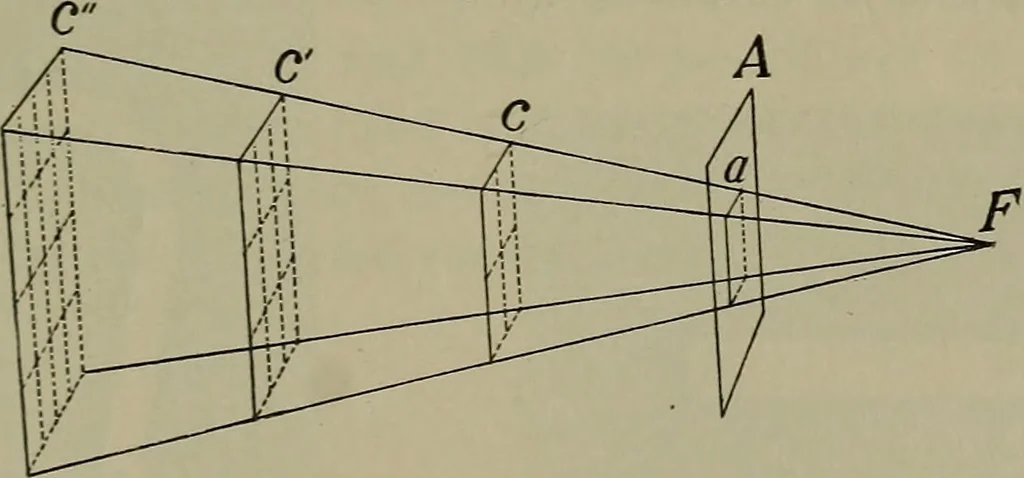
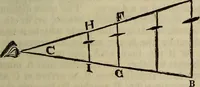
nly one quarter of that effect at c,which is twice the distance of a; and one ninth the effectat c\ which is three times the distance of a; and one six-teenth the effect at c, which is four times the distance ofa. The areas at c, c\ and c, being respectively 4, 9, and16 times as great as that of a… … Fig. 124.—Law of inverse squares. these forces diminish at those distances. The usual form ofstatement is: Hie force varies inversely as the square of thedistance. This helps us to answer the question, Why should a sliverof iron move toward a magnet ? The magnet polarizes the 220 PHYSICS
Physics
Internet Archive · Library of Congress · Public Domain Mark 1.0. Free to use for anything.