The fundamental principles of Old and New World civilizations : a comparative research based on a study of the ancient Mexican religious, sociological and calendrical systems (1901)
Nuttall, Zelia, 1858-1933 · Cambridge, Mass. : Peabody Museum of American Archaeology and Ethnology · leaf 130
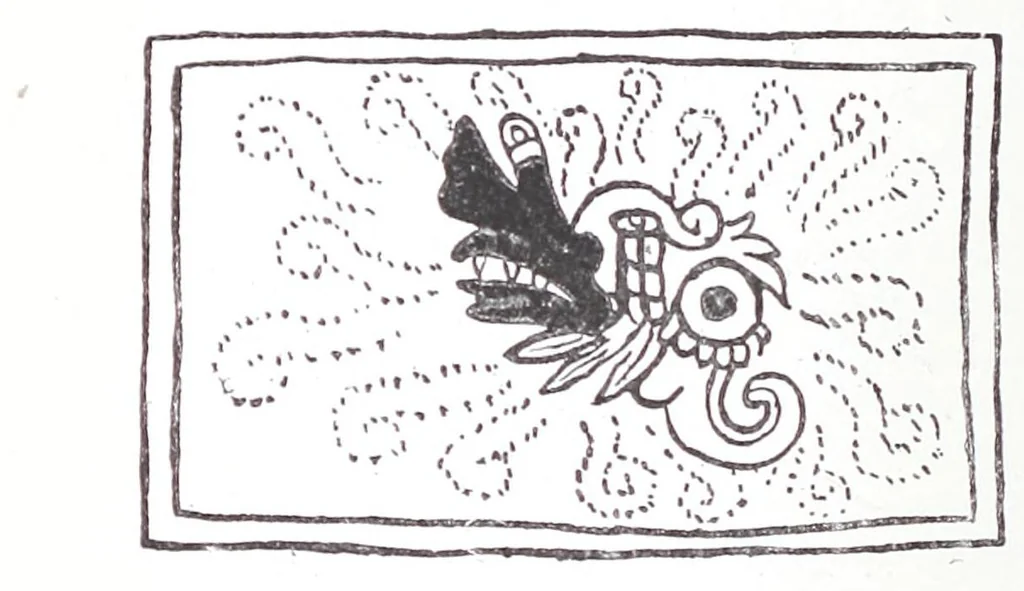
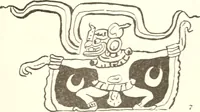
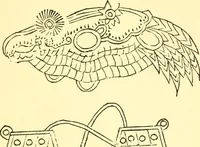
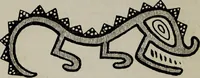
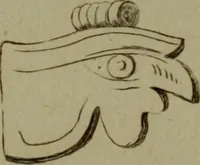
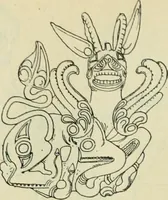
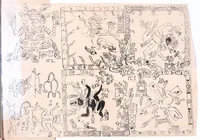
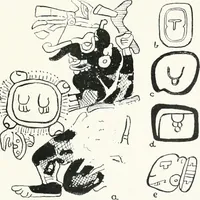
f air or wind, conventionally drawn (fig. 43). Whilst the foregoing illustrations amply prove that the natives associated the curved and rounded form with water as moved bj1 air, it must be noticed that in Mexico and Yucatan, as well as in Brazil and Guiana, plain water was figured by a series of… … Fig. 48. of the upper elements, or the Above. It is unfortunate that, in Mexico, no vestiges remain of the circular temples which were particularly dedicated to Quetzalcoatl = the divine twin or lord of the twin upper elements = air and water. Doubtlessly they were appropriately decorated with…
Civilization -- History · Mayas -- Antiquities · Calendar, Mexican · Mythology · Calendar · Swastikas
Internet Archive · Getty Research Institute · Public domain (published before 1931). Free to use for anything.