The fundamental principles of Old and New World civilizations : a comparative research based on a study of the ancient Mexican religious, sociological and calendrical systems (1901)
Nuttall, Zelia, 1858-1933 · Cambridge, Mass. : Peabody Museum of American Archaeology and Ethnology · leaf 266
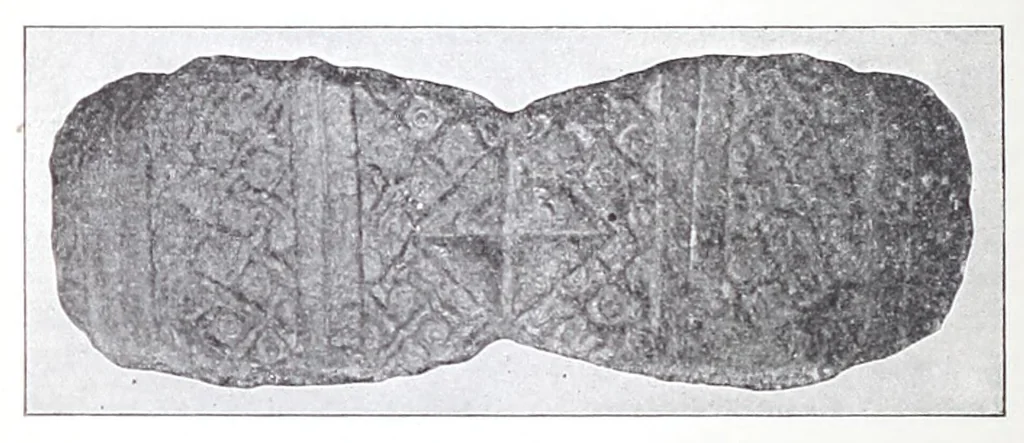
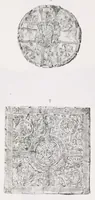
and importance attached to this graphic image of the Centre, the union of four in one or vice versa , the theme on which the native mind played numberless and endless variations. A reflection, again forced upon one in studying the monumental composite image of the dual and quadruple forces of… … Fig. 58. probability that the original conception of the monument must have arisen amongst Maya-speaking people. The divided square, simulating a pyramid and so obviously a symbol of four = can, carved on the head of a serpent = can, throws an interesting light upon the probable derivation of the…
Civilization -- History · Mayas -- Antiquities · Calendar, Mexican · Mythology · Calendar · Swastikas
Internet Archive · Getty Research Institute · Public domain (published before 1931). Free to use for anything.