The fundamental principles of Old and New World civilizations : a comparative research based on a study of the ancient Mexican religious, sociological and calendrical systems (1901)
Nuttall, Zelia, 1858-1933 · Cambridge, Mass. : Peabody Museum of American Archaeology and Ethnology · leaf 30
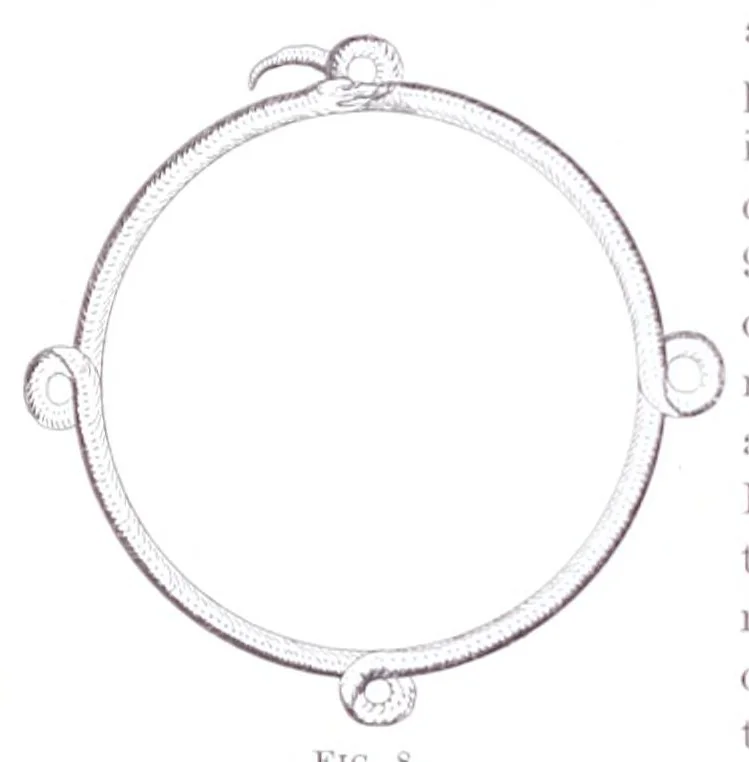
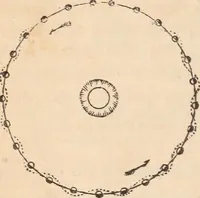
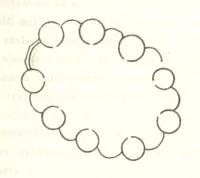
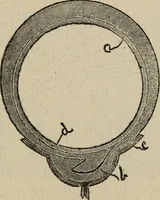
26 KEY-NOTE OF ANCIENT the sky and of the earth, or light and darkness, and other opposites which suggested themselves naturally, or were artificially created, by the fertile mind of man. In this connection it should be ob¬ served that the mythical adversary of Tezcatlipoca, the ocelot, designated… … Fig. s. sec that whilst it is stated in the myth that the ocelot arose again after having been cast down from the sky by Iluitzilopochtli, the very name of the latter betokened that the bird-god had also only just “ resuscitated” from a presum¬ ably similar defeat. As one and the same object may…
Civilization -- History · Mayas -- Antiquities · Calendar, Mexican · Mythology · Calendar · Swastikas
Internet Archive · Getty Research Institute · Public domain (published before 1931). Free to use for anything.