The fundamental principles of Old and New World civilizations : a comparative research based on a study of the ancient Mexican religious, sociological and calendrical systems (1901)
Nuttall, Zelia, 1858-1933 · Cambridge, Mass. : Peabody Museum of American Archaeology and Ethnology · leaf 49
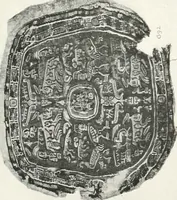
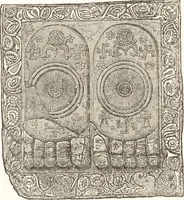
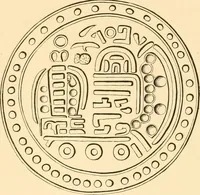
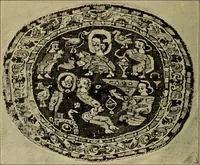
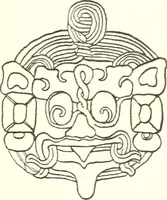
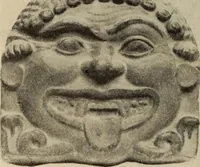
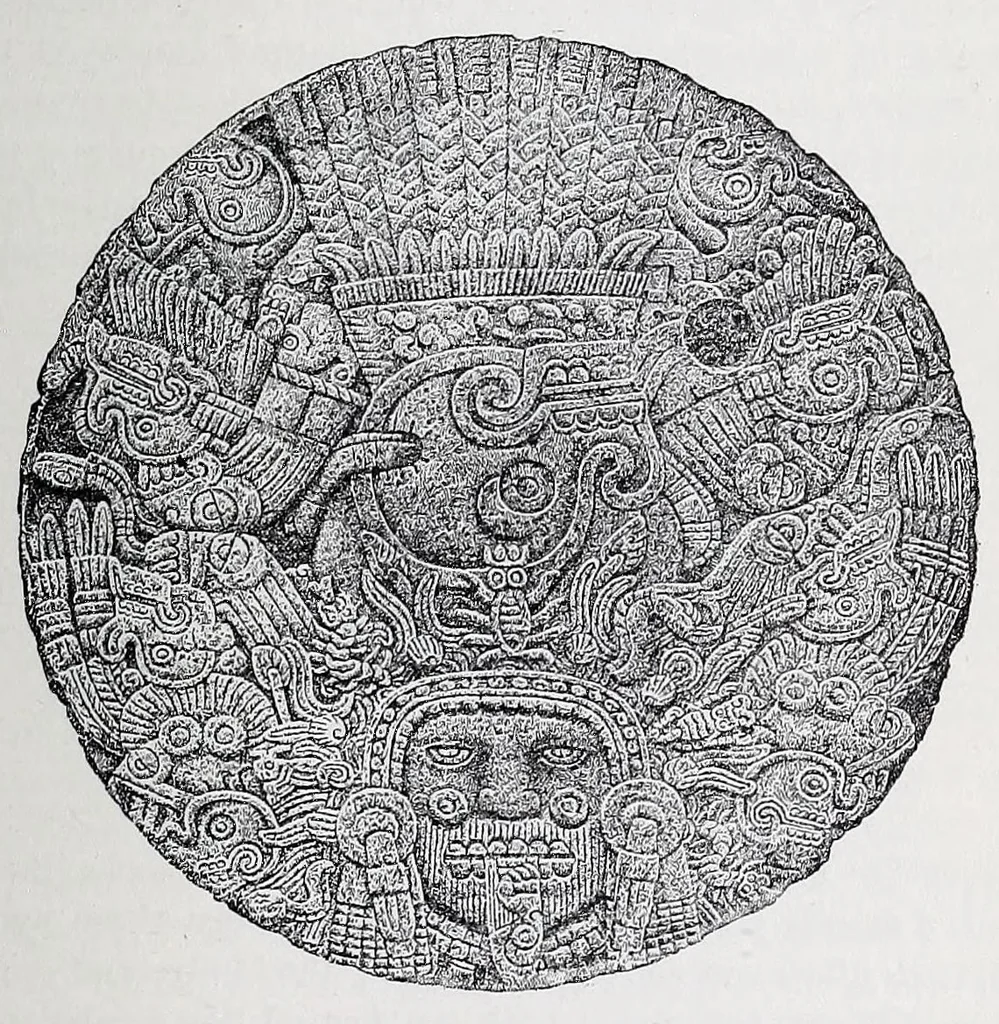
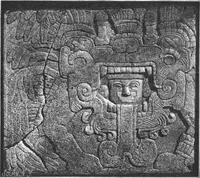
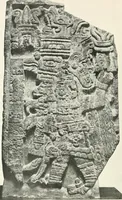
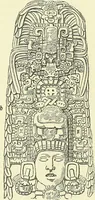
oremost, with a tecpatl or flint knife issuing from his moutli and with outspread limbs, the outlines of which are al¬ most lost under the multitude of symbols which are grouped around him. These symbols are carefully analyzed in my commentary on the B. N. MS. in which I also describe other known… … Fig. 19. the Dresden Codex. It represents a bar with cross symbols from which a human body is descending. The feet rest on dual sym¬ bols, about which more could be written than the scope of the present paper allows. A tecpatl or flint knife, attached to the body by a double bow with ends, may be…
Civilization -- History · Mayas -- Antiquities · Calendar, Mexican · Mythology · Calendar · Swastikas
Internet Archive · Getty Research Institute · Public domain (published before 1931). Free to use for anything.
![An illustration from The Antiquarian [serial] (1897)](https://img.insideoutlibrary.com/img/200/ia-antiquarianseria01colu-69-28.webp)