Laurence, Lionel · London, School of Optics · leaf 213
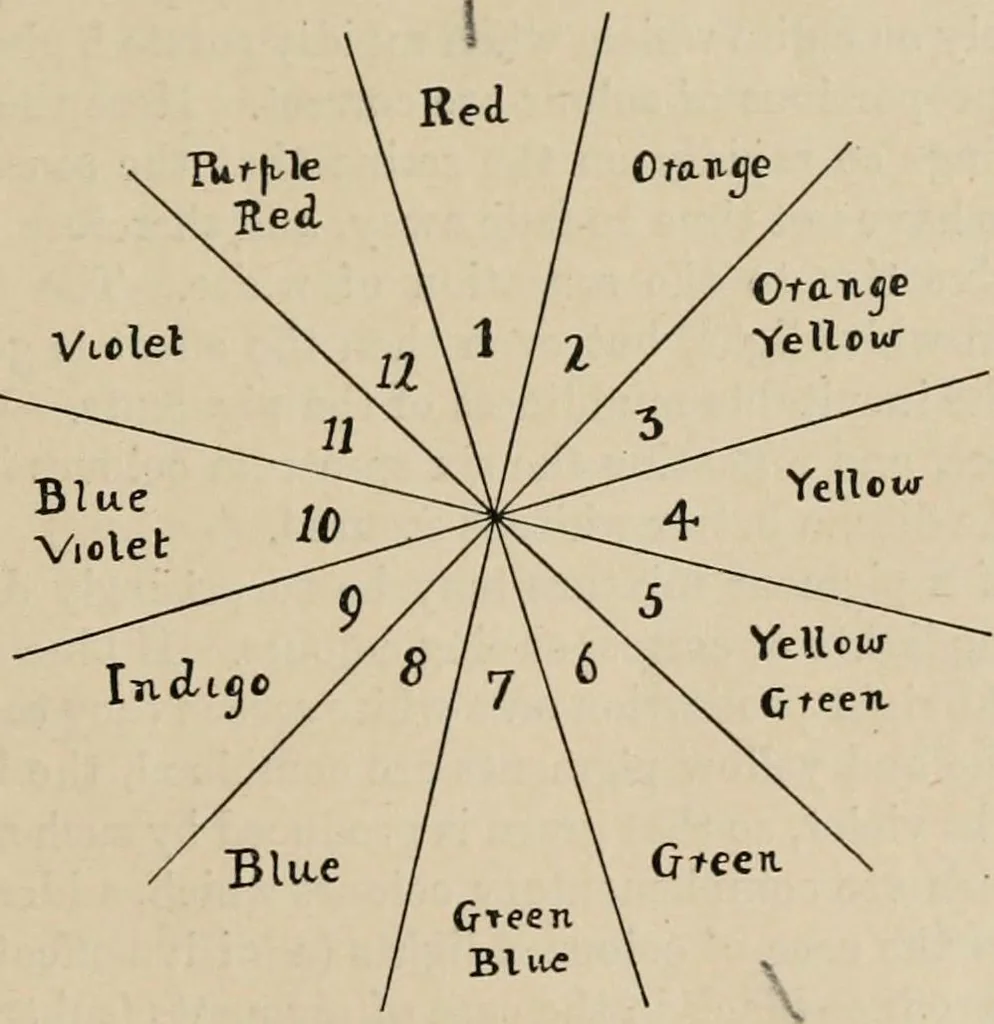
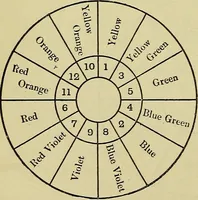
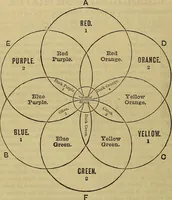
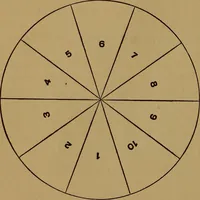
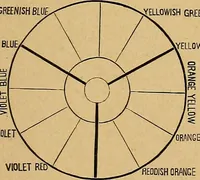
r) are so-called red, yellow and blue; any other colour isobtained by mixing two primaries. The primaries and their complements are shown in Fig. 220, from whichit will be seen that the primaries of pigments are the complements of the primariesof light. Thus I, 6 and 10 are the primaries of light,… … Fig. 220. Mixing Colours.—The fundamental difference in the results obtained bymixing spectrum lights and pigment colours lies in the fact that the formeris an additive, and the latter a subtractive process. The colouration resulting 202 GENERAL AND PRACTICAL OPTICS from mingled lights is due to…
Optics
Internet Archive · Gerstein Library, University of Toronto · Public Domain Mark 1.0. Free to use for anything.