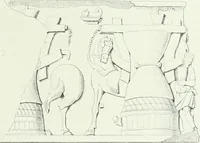
Handbook of archaeology, Egyptian - Greek - Etruscan - Roman (1867)
Westropp, Hodder M. (Hodder Michael), -1884 · London, Bell and Daldy · leaf 173
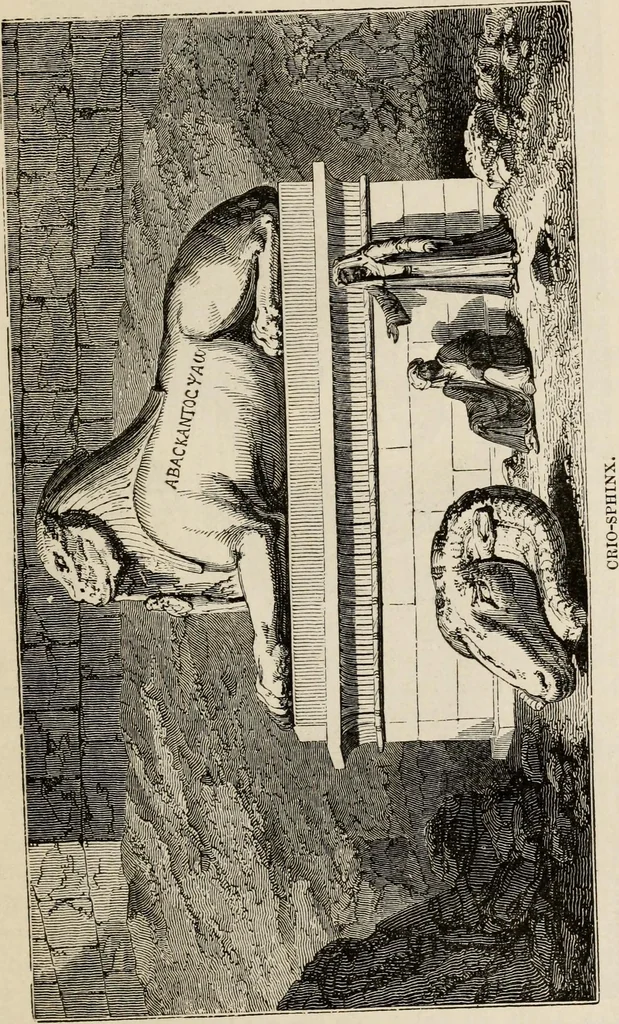
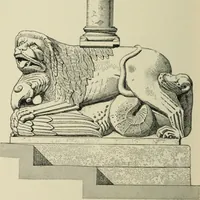
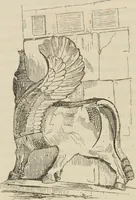
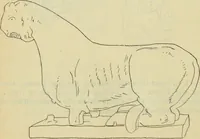
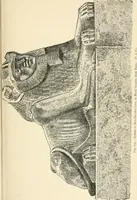
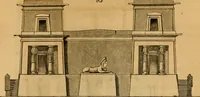
The sphinx was an emblem of royalty, and the symbol ofintellectual and physical power. The sphinx was of three kinds—the Andro-Sphinx, with the head of a man and the body of a lion, MYTHOLOGY OF SCULPTURE. 151 denoting the union of intellectual and physical power; the Crio-Sphinx, with the head of… … The celebrated sphinx in front of the pyramids, in its originalstate, presented the appearance of an enormous couchant andro-sphinx with gigantic paws, between which was a miniature temple 152 HANDBOOK OF ARCHEOLOGY. with a platform, and flights of steps for approaching it, with othersleading down…
Art, Ancient · Archaeology
Internet Archive · Brigham Young University · Public Domain Mark 1.0. Free to use for anything.