Handbook of archaeology, Egyptian - Greek - Etruscan - Roman (1867)
Westropp, Hodder M. (Hodder Michael), -1884 · London, Bell and Daldy · leaf 321
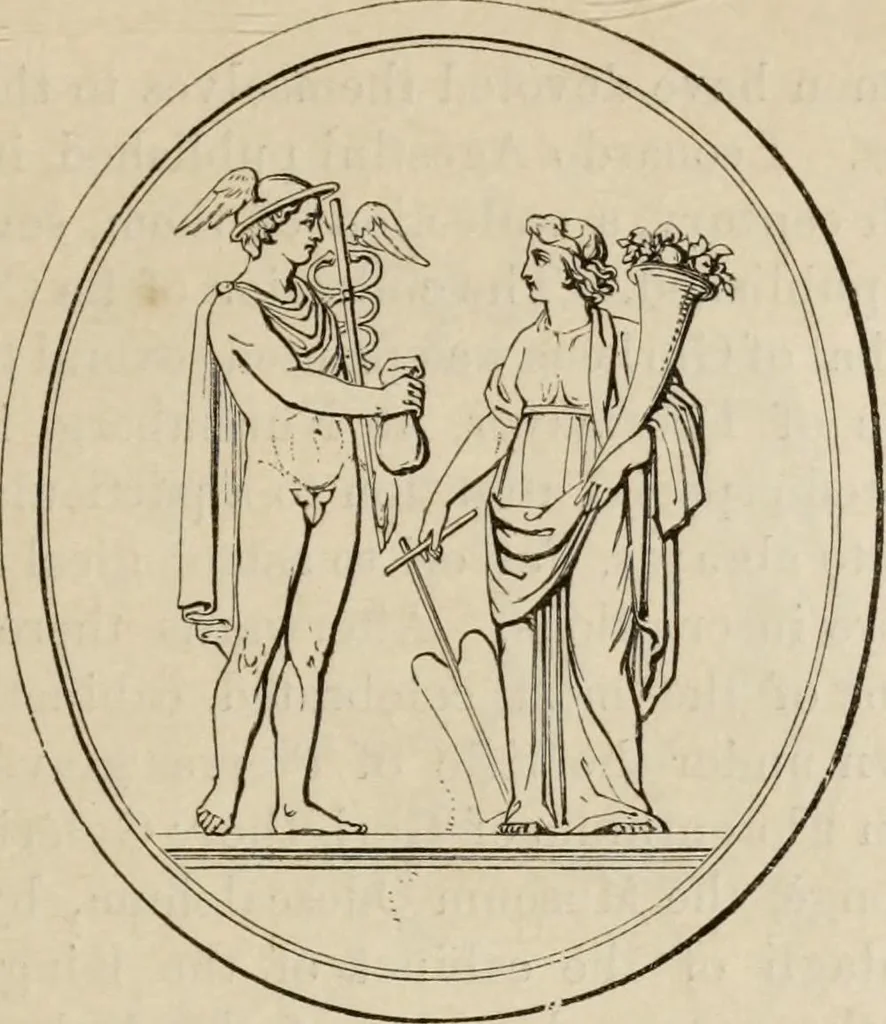
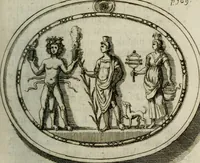
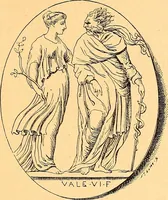
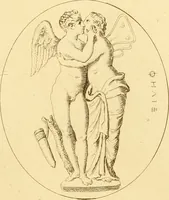
rnstone, of which thepiece found at Rome (called murra) is a specimen. The onyx, oronychina, were Oriental alabaster, and the Achates was the agateas commonly understood at the present day. * Seneca also distinguishes the murrhine vases from sardonyx ; for he speaks ofthe wealthy having mules to… … MERCURY AND FORTUNE. Sard. MODERN COLLECTIONS The example given in Italy by the Medici, found imitators inother parts of Europe ; collections of ancient engraved stones wereformed in different places by princes, rich private individuals, learnedmen, and artists. The Crusaders brought several from…
Art, Ancient · Archaeology
Internet Archive · Brigham Young University · Public Domain Mark 1.0. Free to use for anything.