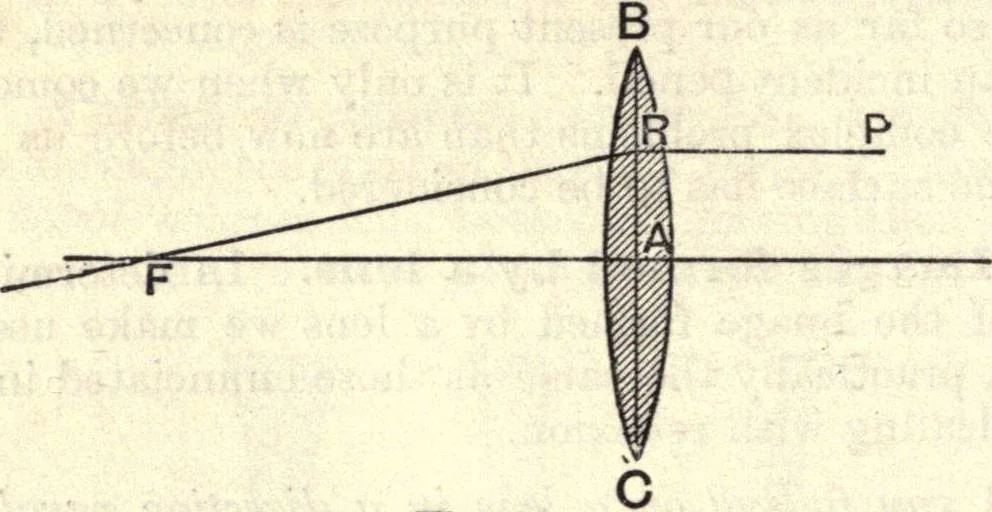
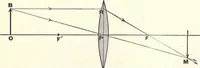
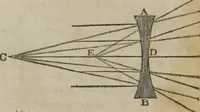
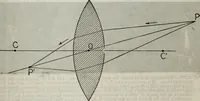
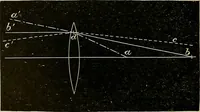
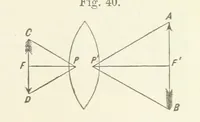
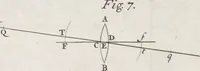
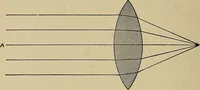
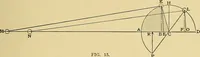
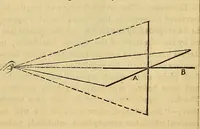
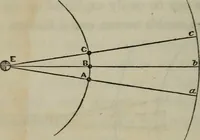
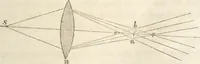
Fig. 89. single refraction. But since the lens is to be treated as very thin, R andS are very close together, we may without serious error suppose themcoincident, and treat RF as the emergent ray, the two lines RF and SF 120 LIGHT. [CH. VI are so near together that no appreciable error is… … Fig. 90. which CB cuts the axis. Produce the incident ray to meet CB in R.Join EF, then RF is the refracted ray. For a double concave lens takea plane BAG perpendicular to the axis and passing through the opticalcentre and proceed in the same way. 75. To find the image of a point formed by…
Heat · Light
Internet Archive · California Digital Library · Public Domain Mark 1.0. Free to use for anything.