History of physical astronomy, from the earliest ages to the middle of the 19th century. Comprehending a detailed account of the establishment of the theory of gravitation by Newton, and its development by his successors; with an exposition of the progress of research on all the other subjects of celestial physics (1852)
Grant, Robert, 1814-1892 · London, R. Baldwin · leaf 608
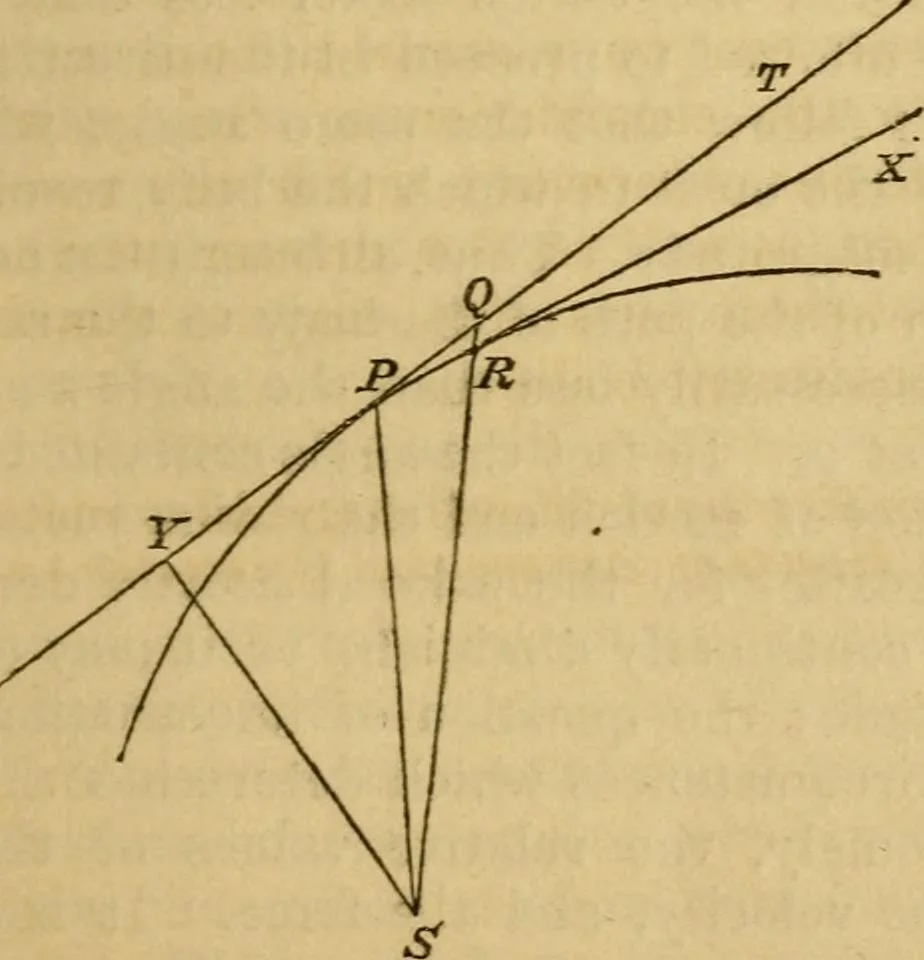
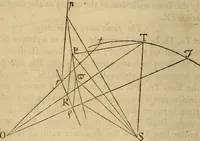
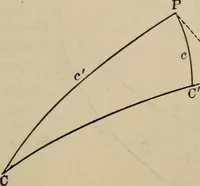
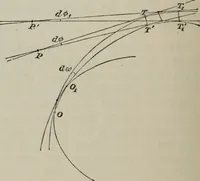
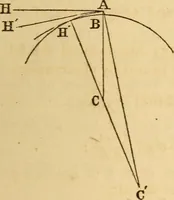
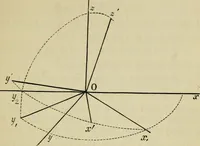
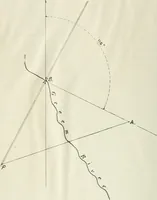
and the angle containedbetween the direction of motion and the radius vector, instead of beingequal to sqt, is now equal only to srx. It appears, therefore, that thecentral force tends to make the angle contained between the direction ofmotion and the radius vector less than it would be, if the… … 584 APPENDIX. (2.) Since the central force acts obliquely at p, with respect to the direc-tion of motion, it does not draw the body with its whole intensity out of theline p T. If we resolve it into two directions, one of w^hich is parallel tothe tangent pt, and the other perpendicular to that…
Astronomy
Internet Archive · Wellesley College Library · Public Domain Mark 1.0. Free to use for anything.