History of physical astronomy, from the earliest ages to the middle of the 19th century. Comprehending a detailed account of the establishment of the theory of gravitation by Newton, and its development by his successors; with an exposition of the progress of research on all the other subjects of celestial physics (1852)
Grant, Robert, 1814-1892 · London, R. Baldwin · leaf 614
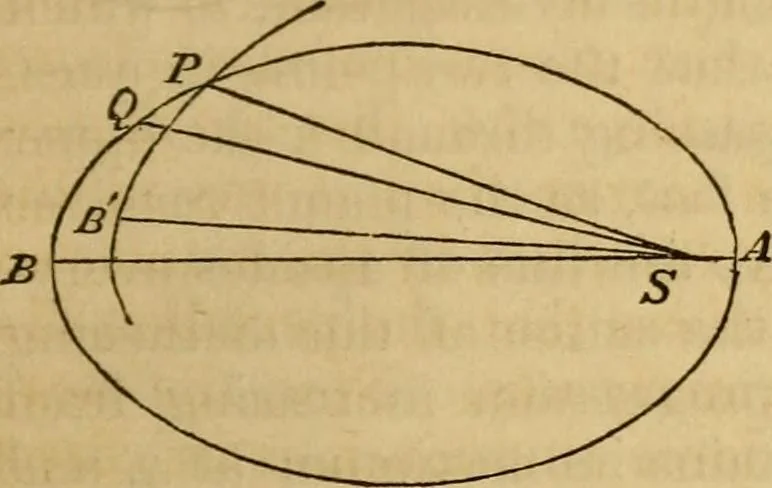
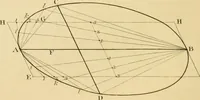
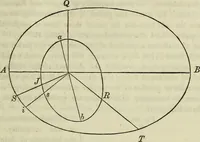
e velocity of the planet at the aplielionwill now be quicker than it was in the original orbit. The eccentricityhas therefore been diminished by the disturbing force. This, indeed, isreadily perceived from the mode in which the two ellipses intersect eachother; for the aphelion distance of the new… … 590 APPENDIX. lion, the line of apsides will regress if the disturbing force should actafter the passage of the aphelion, but will progress if it should act at themean distance or before the passage of the perihelion; while again, theeccentricity in each of these three cases will be increased by…
Astronomy
Internet Archive · Wellesley College Library · Public Domain Mark 1.0. Free to use for anything.