History of the planetary systems from Thales to Kepler (1906)
Dreyer, J. L. E. (John Louis Emil), 1852-1926 · Cambridge University Press · leaf 167
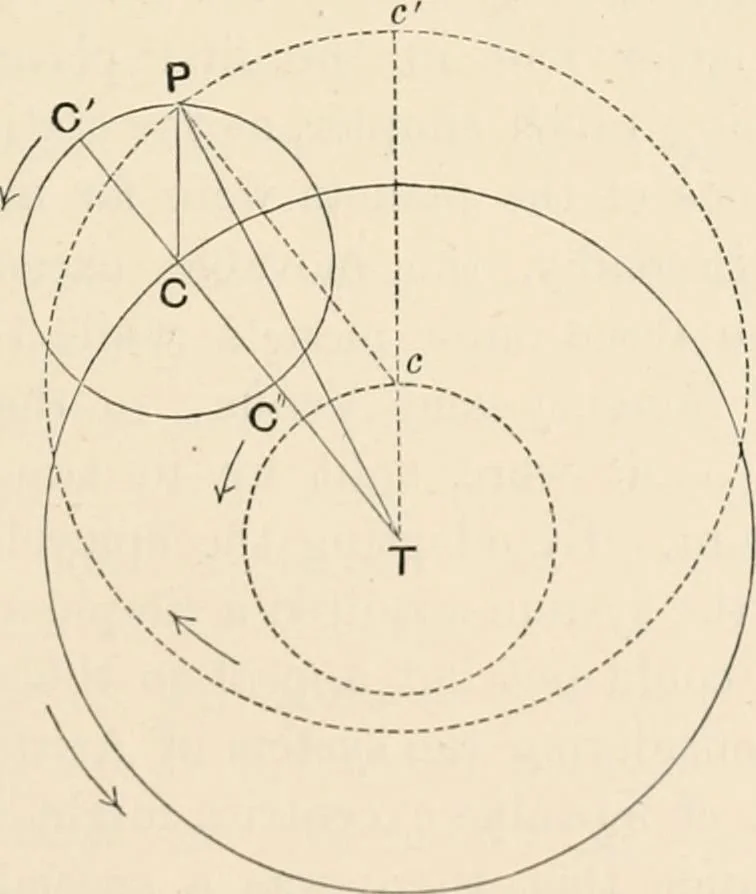
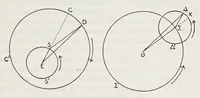
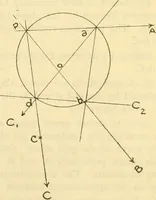
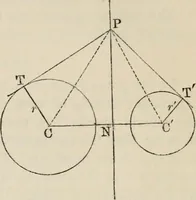
d mathematicalinterest places the two hypotheses in juxtaposition in order toshow how perfectly indifferent it is, whether we employ themovable excentric or the concentric deferent with an epicycleto account for the motion of one of the outer planets. Thefigure will show this clearly1, as the… … of the epicycle equal (Tc = CP). The anomaly is counted fromthe point C or c in the produced radius TC or Tc (the line 1 The dotted circles represent the movable excentric theory, the others thedeferent and epicycle. 156 The Theory of Epicycles [ch. of apsides). But we notice the difference…
Astronomy -- History · Solar system
Internet Archive · Gerstein Library, University of Toronto · Public Domain Mark 1.0. Free to use for anything.