Brechner, Claude H., 1887- [from old catalog] · Boston, New York [etc.] Allyn and Bacon · leaf 144
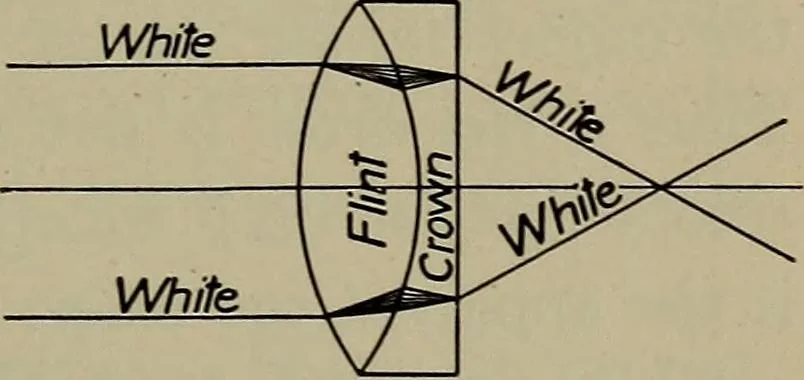
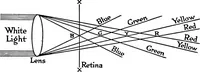
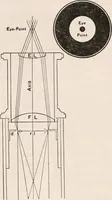
rsive effect of one glass counteracts the dispersive effect of the other, but the raysare still refracted, thus producing a perfect focus. Thiskind of lens is called achromatic — without color. Theselenses are very expensive and are used only in high-pricedcameras, microscopes, and other optical… … Figure 123. — An AchromaticLens. 134 COLOR parallel rays; and thus objects can be seen in detail throughthem. Translucent objects are those which transmit light, but notin parallel rays, so that objects cannot be seen in detailthrough them. Light after coming through a translucentobject is…
Physics
Internet Archive · Library of Congress · Public Domain Mark 1.0. Free to use for anything.