How to read character : a new illustrated hand-book of phrenology and physiognomy, for students and examiners : with a descriptive chart (1890)
Wells, Samuel R. (Samuel Roberts), 1820-1875 · New York : Fowler & Wells · leaf 13
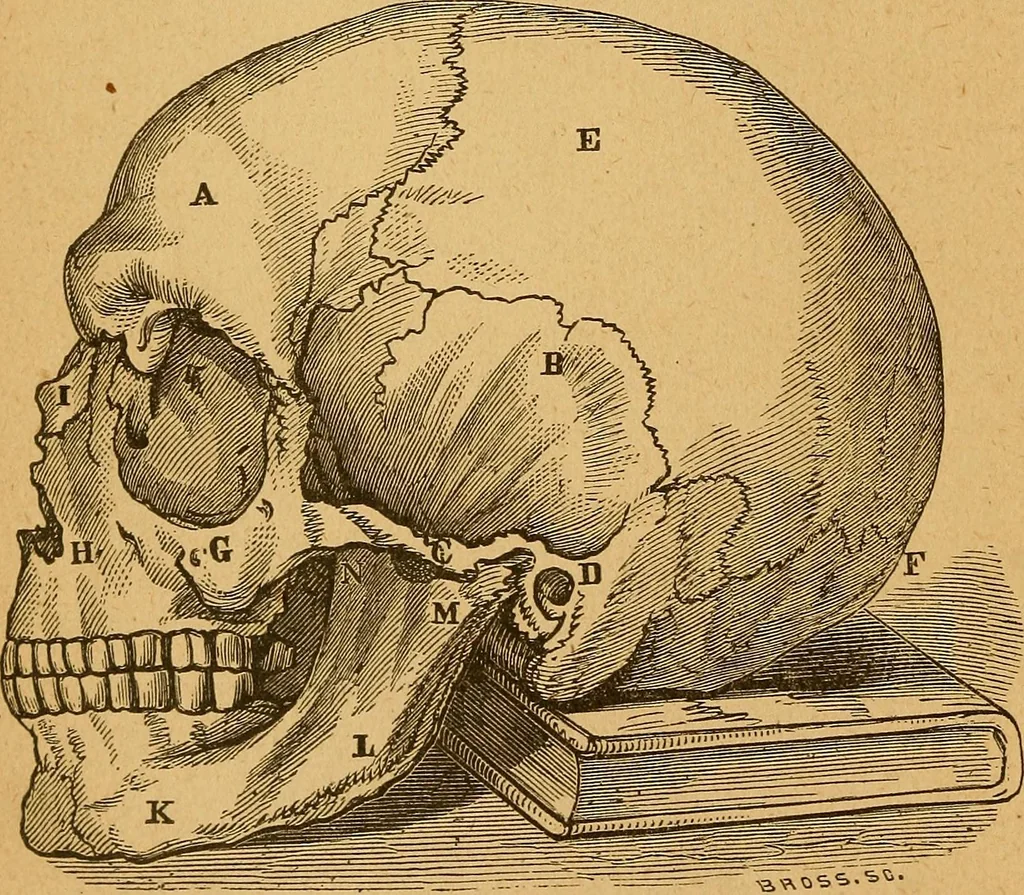
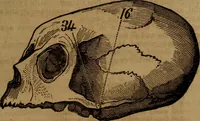
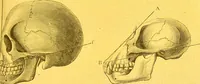
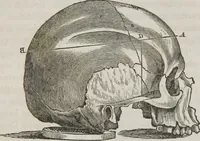
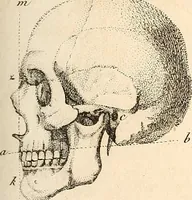
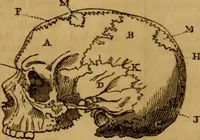
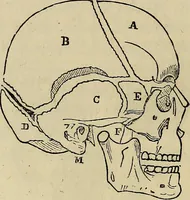
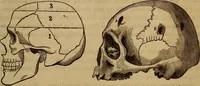
e animal feelings predominate over both the intellect and the moralsentiments. The top view shows the facial bones compressed laterally,but projecting enormousty in front. We might carry these comparisons still farther, and show that eachnation has its peculiar type of skull, the English differing… … Bones of the Head and Face.* * A. Frontal bone. B. Temporal bone. C. Zygoma. D. Mastoid process. E. Pa-rietal bone, F. Occipital bone. G. Malar bone. H. Superior maxillary bone. I.Nasal bone. K. Inferior maxillary bone, I... Angle of the jaw, M. Condyles. N.Cojinoid procebB. HOW TO READ CHARACTER.…
Phrenology · Physiognomy
Internet Archive · Medical Heritage Library · Public Domain Mark 1.0. Free to use for anything.