How to read character : a new illustrated hand-book of phrenology and physiognomy, for students and examiners : with a descriptive chart (1890)
Wells, Samuel R. (Samuel Roberts), 1820-1875 · New York : Fowler & Wells · leaf 65
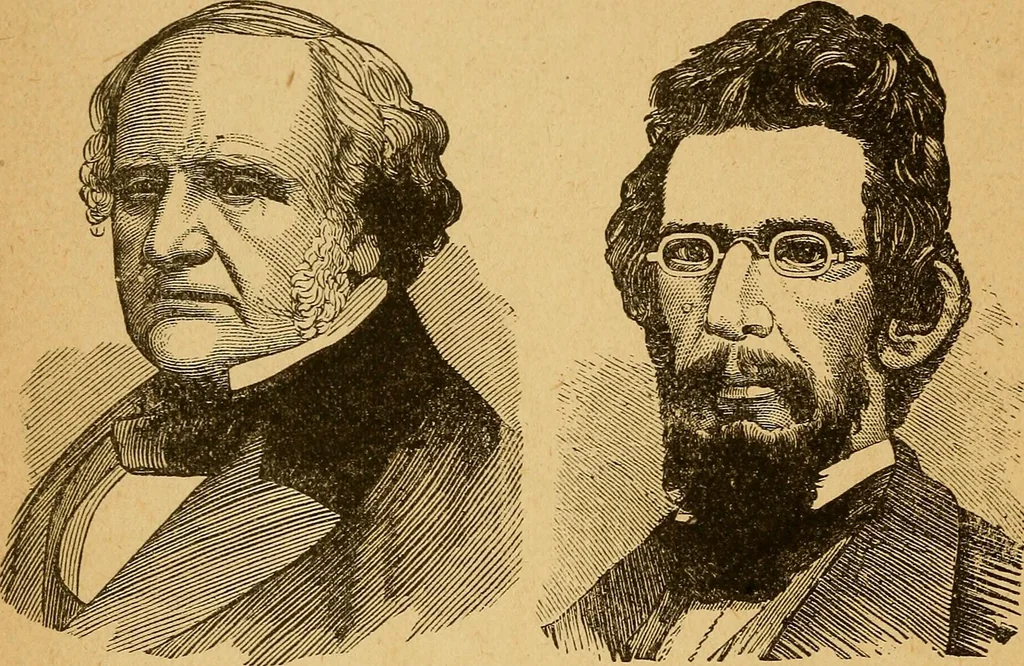
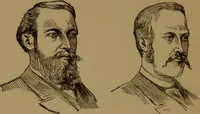
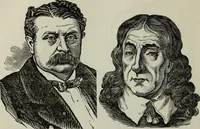
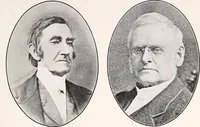
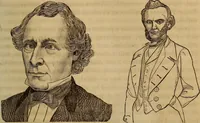
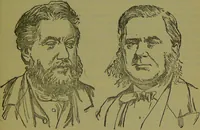
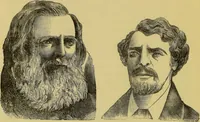
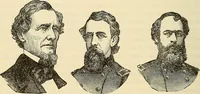
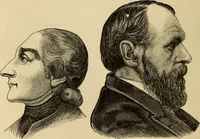
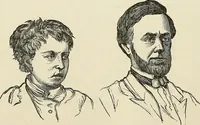
Fig. 60. -WlXLIAM COBBETT.* 60 HOW TO READ CHARACTER, distance, and it will rest upon the place of the organ. On theskull, Acquisitiveness corresponds with the anterior inferiorangle of the parietal bone. • Figs. 63 and 64 show how its LARGE. … Fig. 61.—George Peabodt.* Fig. 62.—J. D. B. De Bow.t development affects the form of the head as seen in front,giving greater icidth^ when large, to this portion of the brain.2. Physiognomical Sign,—Persons noted for their love ofgain and ability to acquire propertyare observed to have, as a…
Phrenology · Physiognomy
Internet Archive · Medical Heritage Library · Public Domain Mark 1.0. Free to use for anything.