Human science, or, Phrenology : its principles, proofs, faculties, organs, temperaments, combinations, conditions, teachings, philosophies, etc., etc. : as applied to health, its values, laws, functions, organs, means, preservation, restoration, etc. : mental philosophy, human and self improvement, civilization, home, country, commerce, rights, duties, ethics, etc. : God, His existence, attributes, laws, worship, natural theology, etc. : immortality, its evidences, conditions, relations to time, rewards, punishments, sin, faith, prayer, etc. : intellect, memory, juvenile and self education, literature, mental discipline, the senses, sciences, arts, avocations, a perfect life, etc., etc., etc. (1873)
Fowler, O. S. (Orson Squire), 1809-1887, McManus-Young Collection (Library of Congress) DLC · Philadelphia, Pa. ; Chicago, Ill. ; Cincinnati, Ohio ; St. Louis, Mo. : National Publishing Co. ; San Francisco, Cal. : A.L. Bancroft & Co. · leaf 279
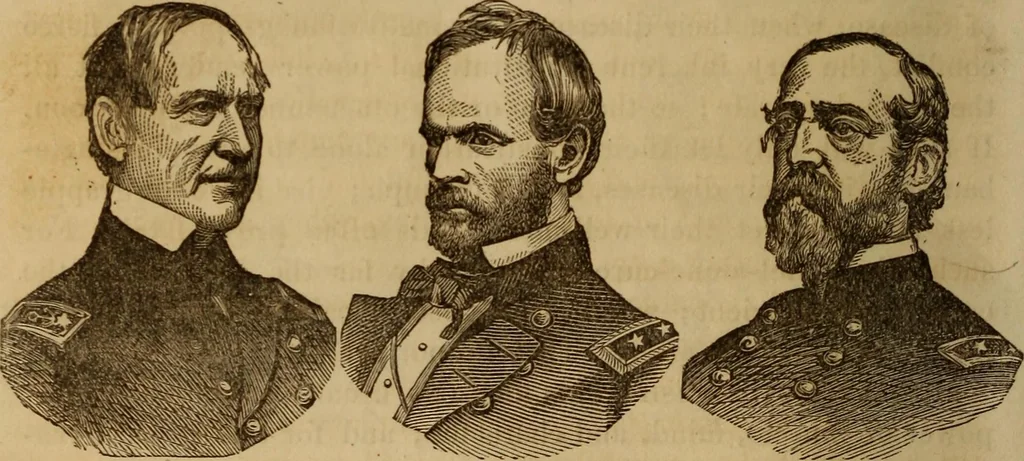
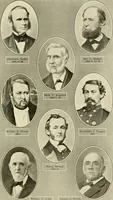
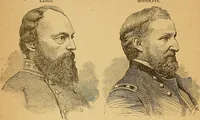
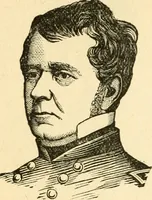
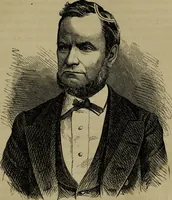
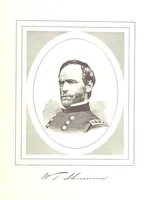
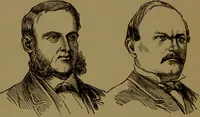
dominance of the vital Temperamentthus: Noses are rendered broad by large nostrils. These, whenlarge, signify large passage ways to the lungs, and thereforelarge lun^s and visceral organs o-encrallv, on that homogeneousprinciple already presented; 53 while narrow noses signify smallavenues for… … No. 50. — Admiral Farragut. No. 51. — General Sherman. No. 52. — General Meade. In Commodore Farragut and Generals Sherman andMeade, it is unusually developed, all of whom made their poten-tiality felt. We shall have more to say of them hereafter. Bothalso have large noses; as has Hicks, who…
Phrenology
Internet Archive · Library of Congress · Public Domain Mark 1.0. Free to use for anything.