Human science, or, Phrenology : its principles, proofs, faculties, organs, temperaments, combinations, conditions, teachings, philosophies, etc., etc. : as applied to health, its values, laws, functions, organs, means, preservation, restoration, etc. : mental philosophy, human and self improvement, civilization, home, country, commerce, rights, duties, ethics, etc. : God, His existence, attributes, laws, worship, natural theology, etc. : immortality, its evidences, conditions, relations to time, rewards, punishments, sin, faith, prayer, etc. : intellect, memory, juvenile and self education, literature, mental discipline, the senses, sciences, arts, avocations, a perfect life, etc., etc., etc. (1873)
Fowler, O. S. (Orson Squire), 1809-1887, McManus-Young Collection (Library of Congress) DLC · Philadelphia, Pa. ; Chicago, Ill. ; Cincinnati, Ohio ; St. Louis, Mo. : National Publishing Co. ; San Francisco, Cal. : A.L. Bancroft & Co. · leaf 294
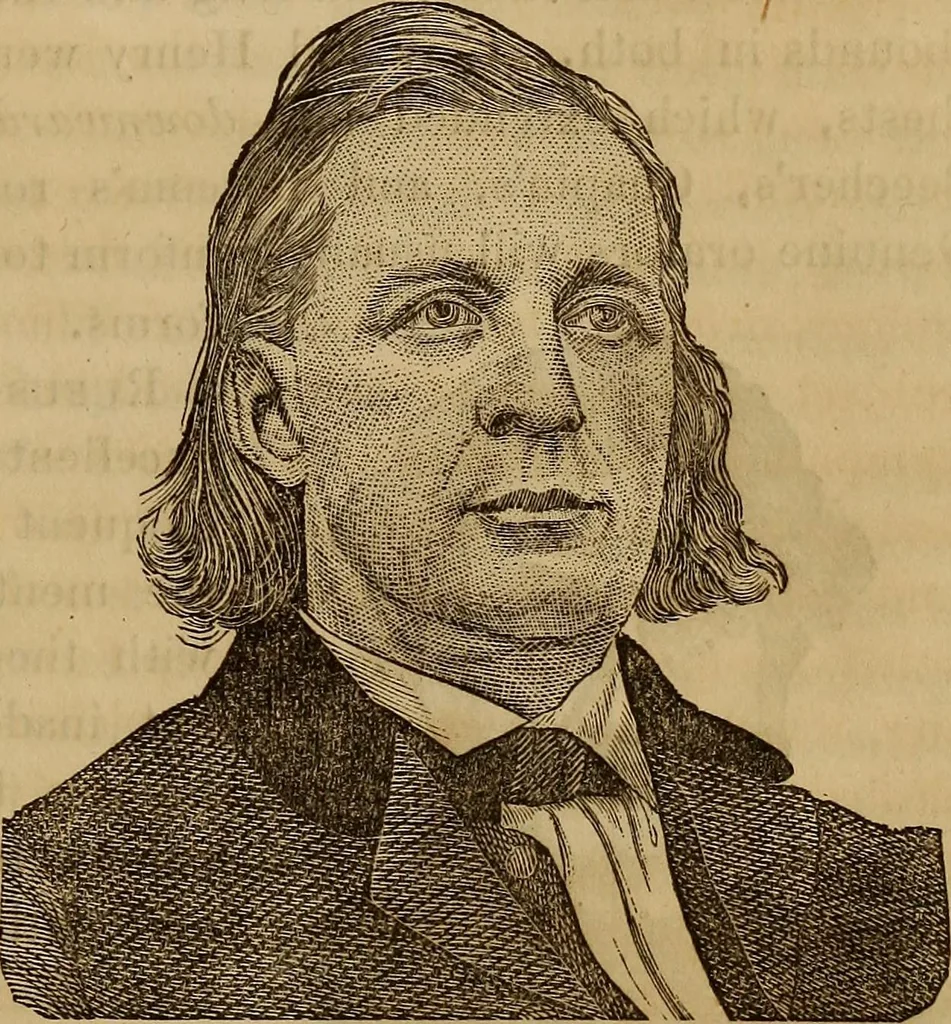
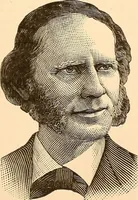
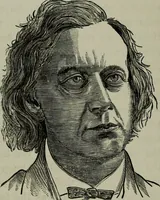
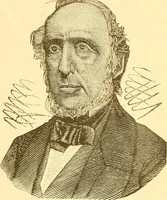
soul of both. Poetry inheres in both the sharp and broad, and sharp andlong forms. Some distinguished poets are broad and sharp,others long and sharp, but all sharp. Those who evolve thehighest, finest, and most fervid style and cast of sentiment, havemore of the long, with less of the prominent,… … No. 78.—Henry Ward Beecher. the 270 ORGANIC CONDITIONS, TEMPERAMENTS, SELF-CULTURE. and has well said that poetry is but frenzy of passion. The bestcombination of forms for writers and scholars is the sharp pre-dominant, long next, prominent next, and all conspicuous. Beecher and Henry furnish…
Phrenology
Internet Archive · Library of Congress · Public Domain Mark 1.0. Free to use for anything.