Human science, or, Phrenology : its principles, proofs, faculties, organs, temperaments, combinations, conditions, teachings, philosophies, etc., etc. : as applied to health, its values, laws, functions, organs, means, preservation, restoration, etc. : mental philosophy, human and self improvement, civilization, home, country, commerce, rights, duties, ethics, etc. : God, His existence, attributes, laws, worship, natural theology, etc. : immortality, its evidences, conditions, relations to time, rewards, punishments, sin, faith, prayer, etc. : intellect, memory, juvenile and self education, literature, mental discipline, the senses, sciences, arts, avocations, a perfect life, etc., etc., etc. (1873)
Fowler, O. S. (Orson Squire), 1809-1887, McManus-Young Collection (Library of Congress) DLC · Philadelphia, Pa. ; Chicago, Ill. ; Cincinnati, Ohio ; St. Louis, Mo. : National Publishing Co. ; San Francisco, Cal. : A.L. Bancroft & Co. · leaf 398
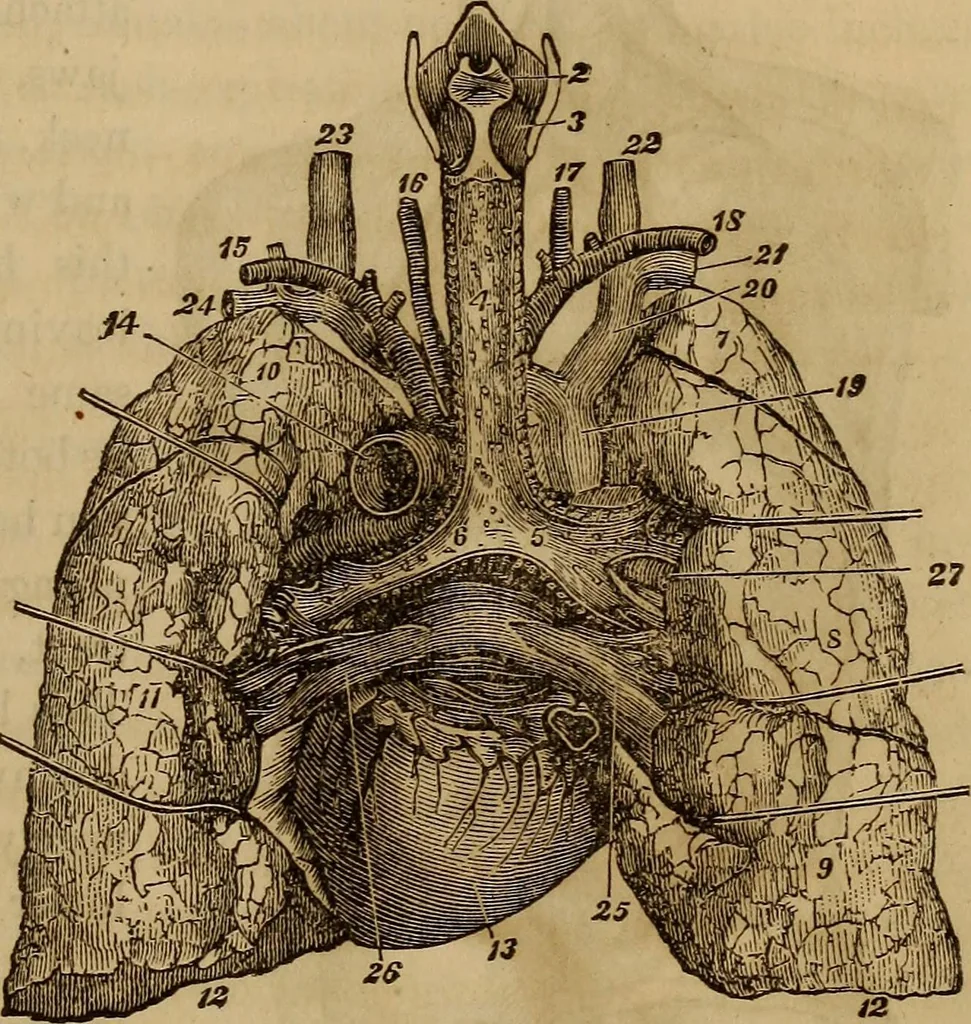
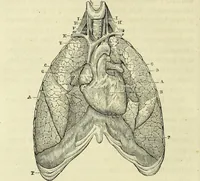
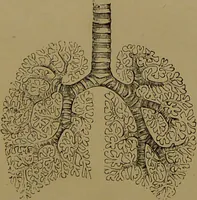
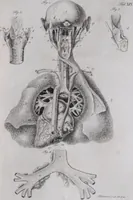
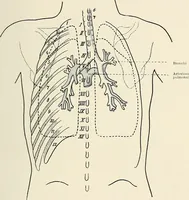
ilage. 2,3. Arytenoid muscles. 4. Trachea, with its mu- cous follicles. 5. 6. Right and left bronchi 7, 8, 9. Right lobes of the lungs. 10, U. Left do. * 12, 12. Their base. 13. Heart. 14. Aorta. 15. Left subclavian artery. 18. Right do. 16. Left primitive carotid do.Right do. do. 17. 19. Venn cava… … These lungs must next be filled with air, and emptied every fewseconds, or from eight to fourteen times per minute, from birth todeath, so as perpetually to introduce this oxygen into their air-cells. 81.—Means by which the Lungs are inflated. A vacuum, made by the contraction of the diaphragm and…
Phrenology
Internet Archive · Library of Congress · Public Domain Mark 1.0. Free to use for anything.