Human science, or, Phrenology : its principles, proofs, faculties, organs, temperaments, combinations, conditions, teachings, philosophies, etc., etc. : as applied to health, its values, laws, functions, organs, means, preservation, restoration, etc. : mental philosophy, human and self improvement, civilization, home, country, commerce, rights, duties, ethics, etc. : God, His existence, attributes, laws, worship, natural theology, etc. : immortality, its evidences, conditions, relations to time, rewards, punishments, sin, faith, prayer, etc. : intellect, memory, juvenile and self education, literature, mental discipline, the senses, sciences, arts, avocations, a perfect life, etc., etc., etc. (1873)
Fowler, O. S. (Orson Squire), 1809-1887, McManus-Young Collection (Library of Congress) DLC · Philadelphia, Pa. ; Chicago, Ill. ; Cincinnati, Ohio ; St. Louis, Mo. : National Publishing Co. ; San Francisco, Cal. : A.L. Bancroft & Co. · leaf 544
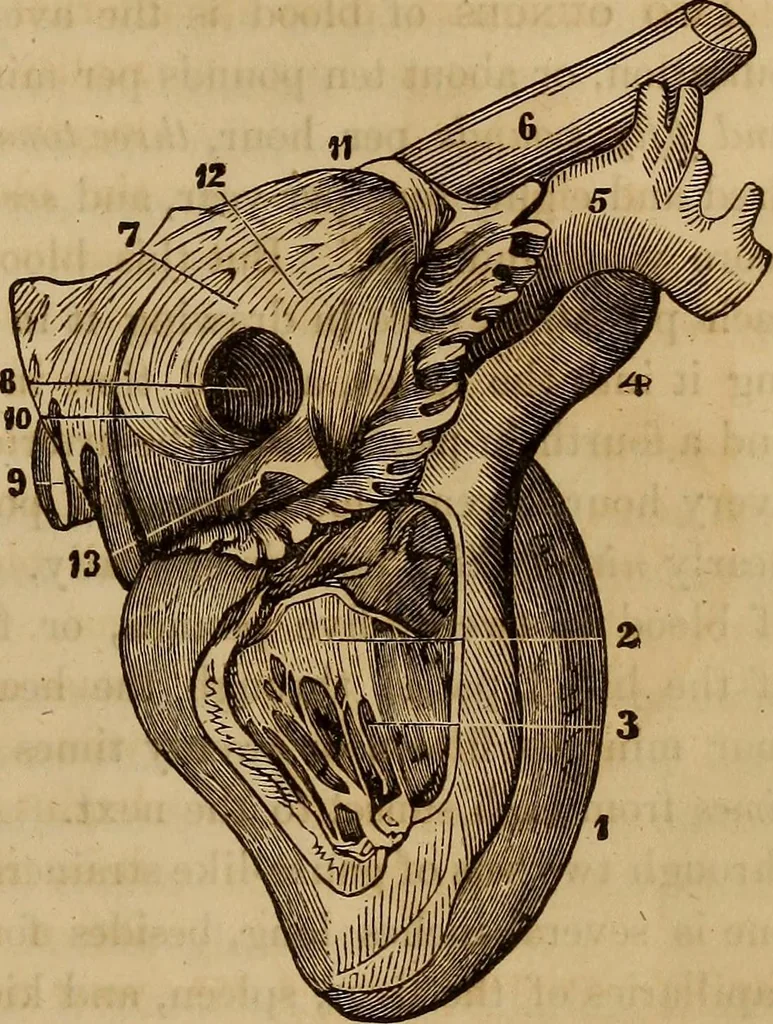
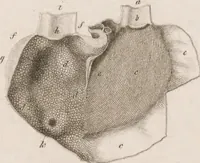
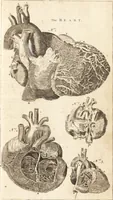
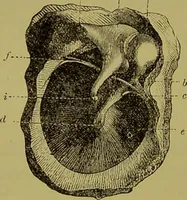
ent is electricity,83These muscles, acting involun-tarily, must have some incen-tive to act. The electricity derived from breathing probably fur-nishes this stimulant. Will certainly does not. Then what does ?Electricity both generates the main propulsive force which circulatesthe blood, and also… … No, 109.—Interior of the right Auricle andVentricle. 1. Right ventricle. 2. Tricuspid valve. 3. Chordae tendineae. 4. Pulmonary artery. 5. Aorta. 6. Descending vena cava. 7. Right auricle. 8. Orifice of the ascending vena cava. 9. Vena cava ascendens. 10. Valvula Eustaehii. 11. Orifice of the…
Phrenology
Internet Archive · Library of Congress · Public Domain Mark 1.0. Free to use for anything.