Human science, or, Phrenology : its principles, proofs, faculties, organs, temperaments, combinations, conditions, teachings, philosophies, etc., etc. : as applied to health, its values, laws, functions, organs, means, preservation, restoration, etc. : mental philosophy, human and self improvement, civilization, home, country, commerce, rights, duties, ethics, etc. : God, His existence, attributes, laws, worship, natural theology, etc. : immortality, its evidences, conditions, relations to time, rewards, punishments, sin, faith, prayer, etc. : intellect, memory, juvenile and self education, literature, mental discipline, the senses, sciences, arts, avocations, a perfect life, etc., etc., etc. (1873)
Fowler, O. S. (Orson Squire), 1809-1887, McManus-Young Collection (Library of Congress) DLC · Philadelphia, Pa. ; Chicago, Ill. ; Cincinnati, Ohio ; St. Louis, Mo. : National Publishing Co. ; San Francisco, Cal. : A.L. Bancroft & Co. · leaf 705
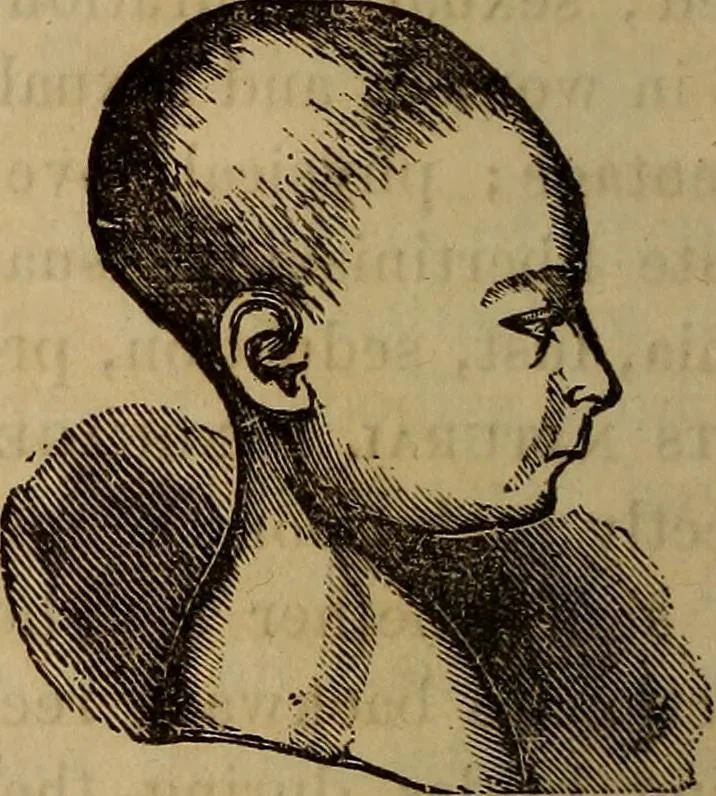
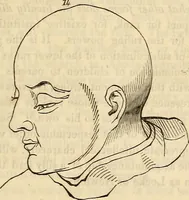
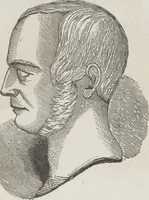
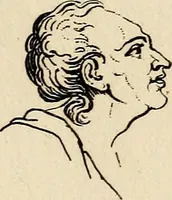
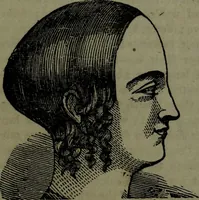
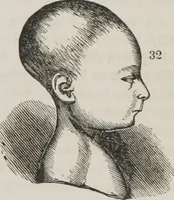
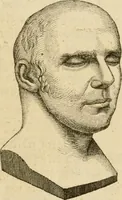
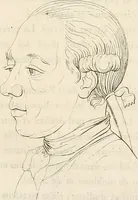
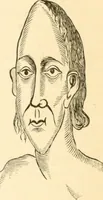
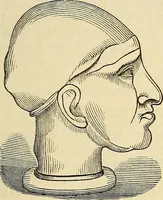
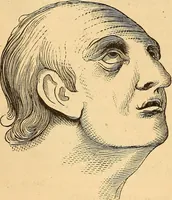
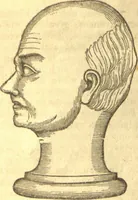
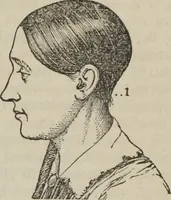
No. 12G.— Aaron Burr. No. 127. —Infant. The size of the cerebellum is indicated by the extension of theoceipital bone backwards and downwards, or by the thickness of theneck at these parts between the ears. In some these lobes descend ordroop, increasing the convexity of the occipital bone rather…
Phrenology
Internet Archive · Library of Congress · Public Domain Mark 1.0. Free to use for anything.