Human science, or, Phrenology : its principles, proofs, faculties, organs, temperaments, combinations, conditions, teachings, philosophies, etc., etc. : as applied to health, its values, laws, functions, organs, means, preservation, restoration, etc. : mental philosophy, human and self improvement, civilization, home, country, commerce, rights, duties, ethics, etc. : God, His existence, attributes, laws, worship, natural theology, etc. : immortality, its evidences, conditions, relations to time, rewards, punishments, sin, faith, prayer, etc. : intellect, memory, juvenile and self education, literature, mental discipline, the senses, sciences, arts, avocations, a perfect life, etc., etc., etc. (1873)
Fowler, O. S. (Orson Squire), 1809-1887, McManus-Young Collection (Library of Congress) DLC · Philadelphia, Pa. ; Chicago, Ill. ; Cincinnati, Ohio ; St. Louis, Mo. : National Publishing Co. ; San Francisco, Cal. : A.L. Bancroft & Co. · leaf 793
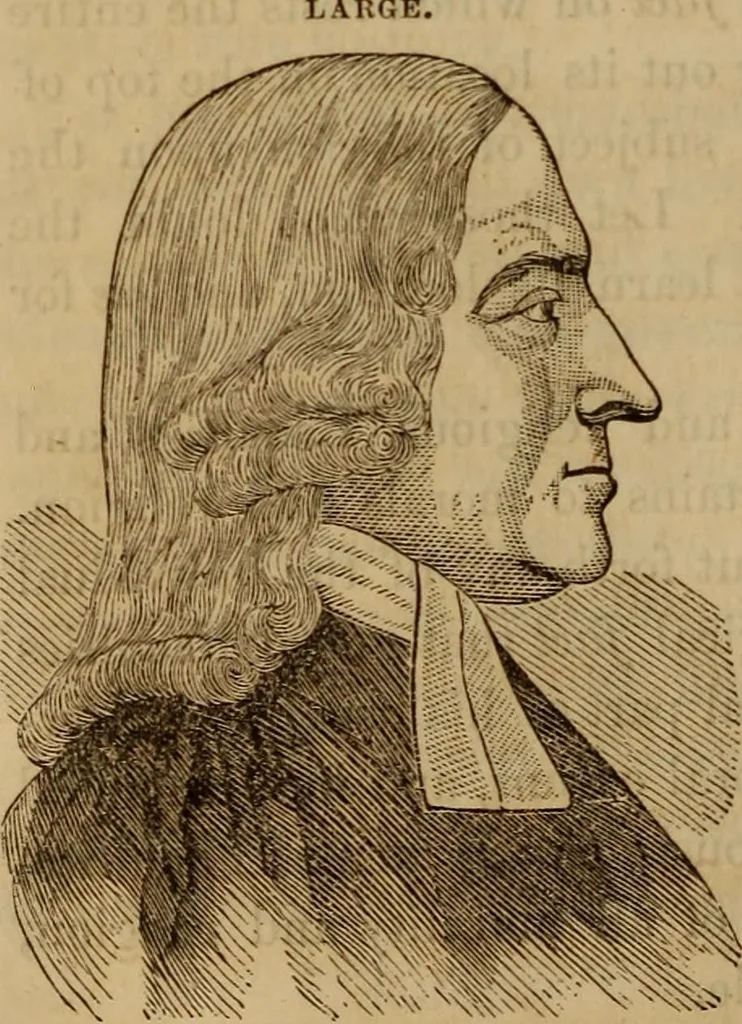
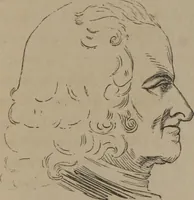
s to eat it,and is adapted to this fundamentalarrangement by being created witha feeding Faculty, which unfolds andgoverns whatever appertains to ali-mentation. Some eating conditions, those which conform to this entity,are beneficial, others injurious, but all that can be said and done, allthere… … No. 146.—Rev. John Wesley. THE FUNDAMENTAL PRINCIPLES OF RELIGION. 769 the Faculty and organ of Observation, the constitutional action ofwhich brings to his notice whatever it is necessary that he see; andeverything connected with things, or depending thereon, has its foun-dation and counterpart in…
Phrenology
Internet Archive · Library of Congress · Public Domain Mark 1.0. Free to use for anything.