Human science, or, Phrenology : its principles, proofs, faculties, organs, temperaments, combinations, conditions, teachings, philosophies, etc., etc. : as applied to health, its values, laws, functions, organs, means, preservation, restoration, etc. : mental philosophy, human and self improvement, civilization, home, country, commerce, rights, duties, ethics, etc. : God, His existence, attributes, laws, worship, natural theology, etc. : immortality, its evidences, conditions, relations to time, rewards, punishments, sin, faith, prayer, etc. : intellect, memory, juvenile and self education, literature, mental discipline, the senses, sciences, arts, avocations, a perfect life, etc., etc., etc. (1873)
Fowler, O. S. (Orson Squire), 1809-1887, McManus-Young Collection (Library of Congress) DLC · Philadelphia, Pa. ; Chicago, Ill. ; Cincinnati, Ohio ; St. Louis, Mo. : National Publishing Co. ; San Francisco, Cal. : A.L. Bancroft & Co. · leaf 976
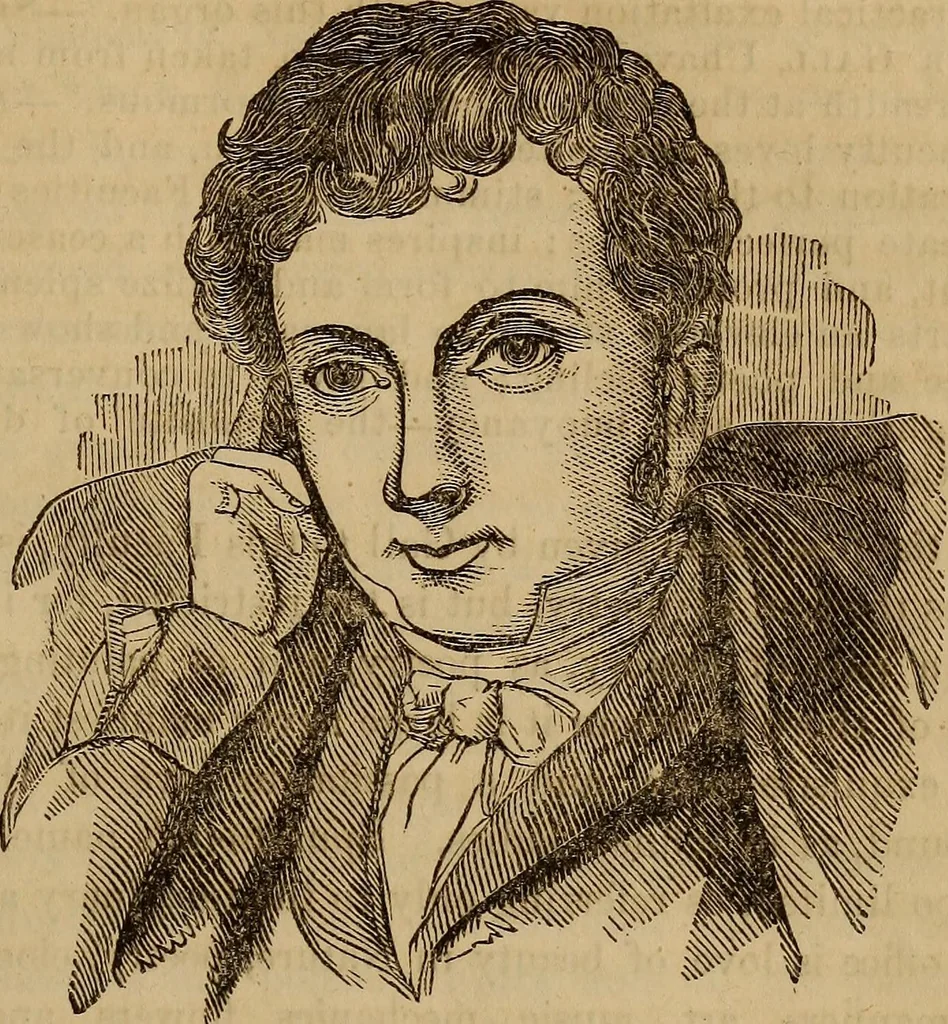
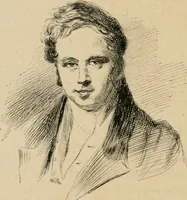
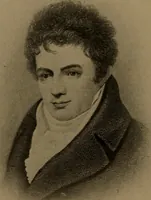
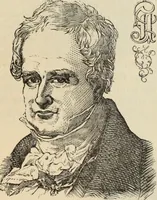
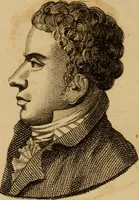
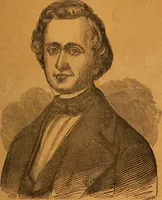
wave orbend, as it passes over it. Its ample development causes a prominence on each side of thehead, commencing about half the height of the forehead, above thetemples, extending obliquely from below upwards, and from beforebackwards, about two inches; giving so singular a form to this partof the… … No. 160.—Washington Irving. Sophocles, Heraclides, Plautus, Terence, Virgil, Tibullus, Ovid,Juvenal, Horace, Boccaccio, Ariosto, Aretin, Tasso, Milton, Boileau,Rousseau, Pope, Young, Gresset, Voltaire, Gesner, Klopstock,Wieland, Andrieux, Lemercier, Dupaty, etc. Homers Head shows two extraordinary…
Phrenology
Internet Archive · Library of Congress · Public Domain Mark 1.0. Free to use for anything.