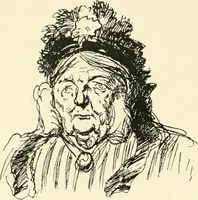
Human science or phrenology. Its principles, proofs, faculties, organs, temperaments, combinations, conditions, teachings, philosophies, etc., etc. as applied to health. Its value, laws, functions, organs, means, preservation, restoration, etc. Mental philosophy, human and self improvement, civilization, home country, commerce rights, duties, ethics, etc. God, His existence, attributes, laws, worship, natural theology, etc. Immortality, its evidences, conditions, relations to time, rewards, punishments, sin, faith, prayer, etc. Intellect, memory, juvenile and self education, literature, mental discipline, the senses, sciences, arts, avocations, a perfect life, etc., etc (1880)
Fowler, O. S. (Orson Squire), 1809-1887 · [S.l. : s.n.] · leaf 1014
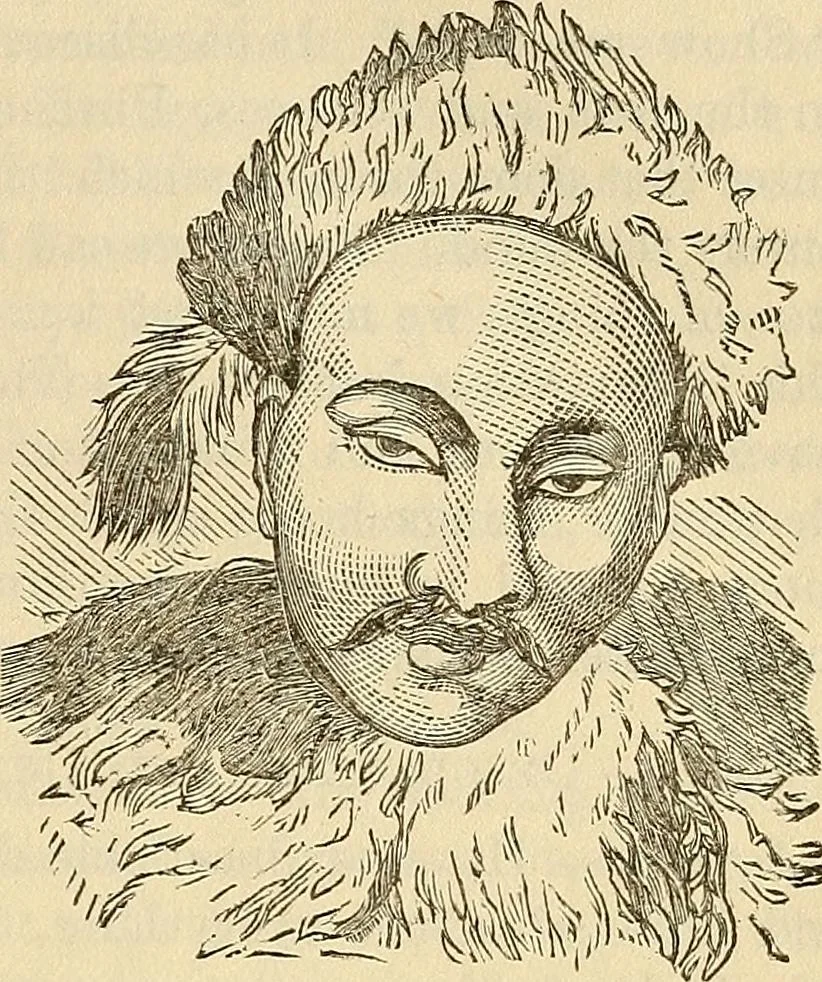
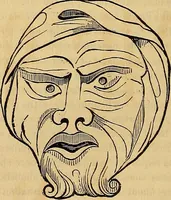
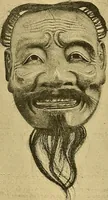
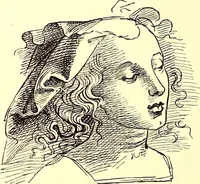
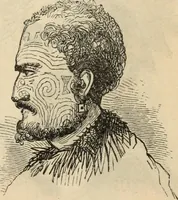
I le-member ever vo nave seen itelsewhere. In all infants it isprodigious. It was discoveredby Spurzheim. Gall includedthis organ and Eventuality to-gether, under the name of Edu-cability. Its adaptation is to theindividuality and personality ofthings; that is, to the divisibil-ity of matter into… … No. ^1 -^n 175.— Chinese. Observation Large. Observation Small.
Phrenology
Internet Archive · Medical Heritage Library · Public Domain Mark 1.0. Free to use for anything.