Human science or phrenology. Its principles, proofs, faculties, organs, temperaments, combinations, conditions, teachings, philosophies, etc., etc. as applied to health. Its value, laws, functions, organs, means, preservation, restoration, etc. Mental philosophy, human and self improvement, civilization, home country, commerce rights, duties, ethics, etc. God, His existence, attributes, laws, worship, natural theology, etc. Immortality, its evidences, conditions, relations to time, rewards, punishments, sin, faith, prayer, etc. Intellect, memory, juvenile and self education, literature, mental discipline, the senses, sciences, arts, avocations, a perfect life, etc., etc (1880)
Fowler, O. S. (Orson Squire), 1809-1887 · [S.l. : s.n.] · leaf 395
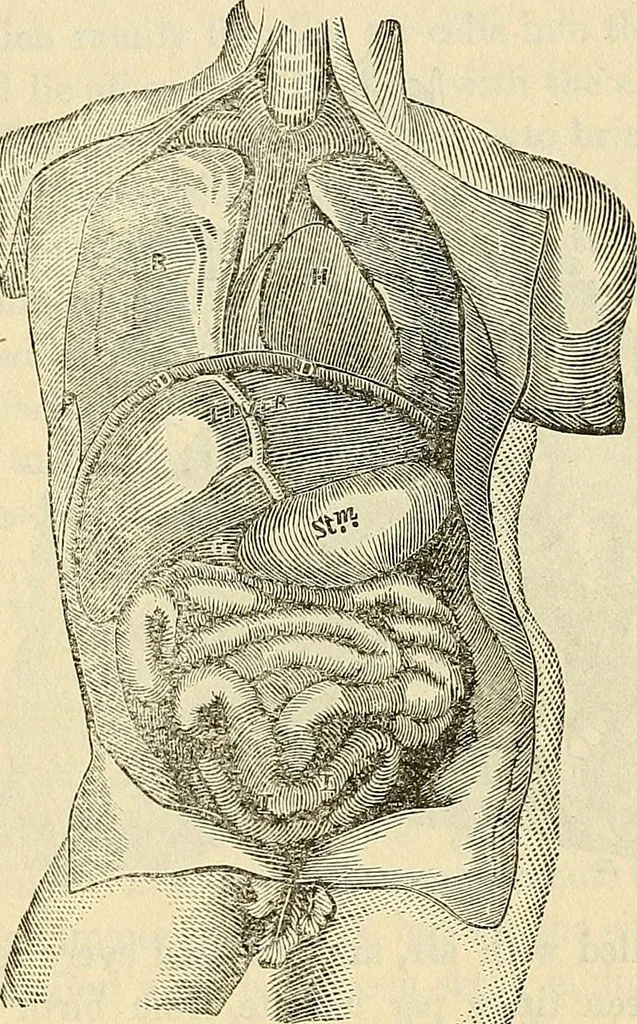
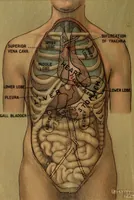
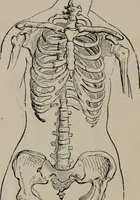
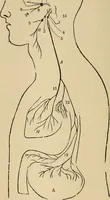
ic pr«9surepushes that portion of the airnearest to the moutL ^nd noseinto the lungs. The dia-phragm inflates the lower, which is by far the larger portion of th«lungs; while their upper part is worked by muscles between the ribs,called intercostal, the contraction of which life the ribs,… … o, Stin Right, and L, left hemispherec of the lungs. Heart, being between them, but most on theleft side. Diaphragm, or midrifif, below, and separa-ting thom from L, the liver. The gaul-bladder. Stomach. /,,,/, Intestinofl. RESPIRATION, ITS LAWS, ORGANS, AND laOMOTICN. 375 lower portion. Yet these…
Phrenology
Internet Archive · Medical Heritage Library · Public Domain Mark 1.0. Free to use for anything.
![An illustration from Champ fleury : au quel est contenu lart & science de la deue & vraye proportio[n] des lettres attiques, quo[n] dit autreme[n]t lettres antiques, & vulgairement lettres romaines proportionnes selon le corps & visage humain ... (1529)](https://img.insideoutlibrary.com/img/200/ia-champfleuryauque00tory-63-42.webp)