Human science or phrenology. Its principles, proofs, faculties, organs, temperaments, combinations, conditions, teachings, philosophies, etc., etc. as applied to health. Its value, laws, functions, organs, means, preservation, restoration, etc. Mental philosophy, human and self improvement, civilization, home country, commerce rights, duties, ethics, etc. God, His existence, attributes, laws, worship, natural theology, etc. Immortality, its evidences, conditions, relations to time, rewards, punishments, sin, faith, prayer, etc. Intellect, memory, juvenile and self education, literature, mental discipline, the senses, sciences, arts, avocations, a perfect life, etc., etc (1880)
Fowler, O. S. (Orson Squire), 1809-1887 · [S.l. : s.n.] · leaf 922
a king is merelyan executive officer of a constitution, he is no king proper, but a merehired servant of the people; an obedient, not a commandant. Spuezheim discovered and established this organ and Faculty aswell as Hope. He says it is generally larger in children than inadults, which all my…
Phrenology
Internet Archive · Medical Heritage Library · Public Domain Mark 1.0. Free to use for anything.
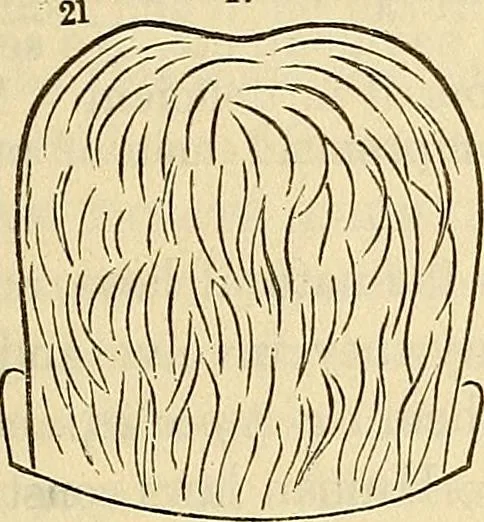
![An illustration from The practical phrenologist and recorder and delineator of the character and talents of [blank], as marked by [blank] : a compendium of phreno-organic science (1869)](https://img.insideoutlibrary.com/img/200/ia-practicalphrenol00fowl-125-57.webp)
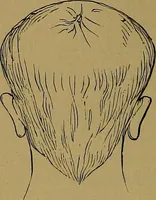
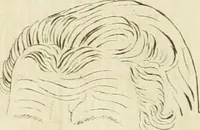
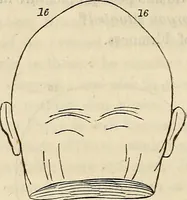
![An illustration from The practical phrenologist and recorder and delineator of the character and talents of [blank], as marked by [blank] : a compendium of phreno-organic science (1869)](https://img.insideoutlibrary.com/img/200/ia-practicalphrenol00fowl-87-40.webp)
![An illustration from Coombs's standard phrenology : exhibiting the exact phrenological admeasurements of above fifty distinguished and extraordinary personages, of both sexes : with skulls of the various nations of the world : embellished with above 50 engravings, and poetical descriptions of beauty, intellect, and physiognomy : with observations explanatory of the science, adapted to the character of [blank] (1841)](https://img.insideoutlibrary.com/img/200/ia-60221050R.nlm.nih.gov-10-6.webp)