An illustrated dictionary of words used in art and archaeology. Explaining terms frequently used in works on architecture, arms, bronzes, Christian art, colour, costume, decoration, devices, emblems, heraldry, lace, personal ornaments, pottery, painting, sculpture, &c., with their derivations (1883)
Mollett, John W. (John William) · London, S. Low, Marston, Searle and Rivington · leaf 106
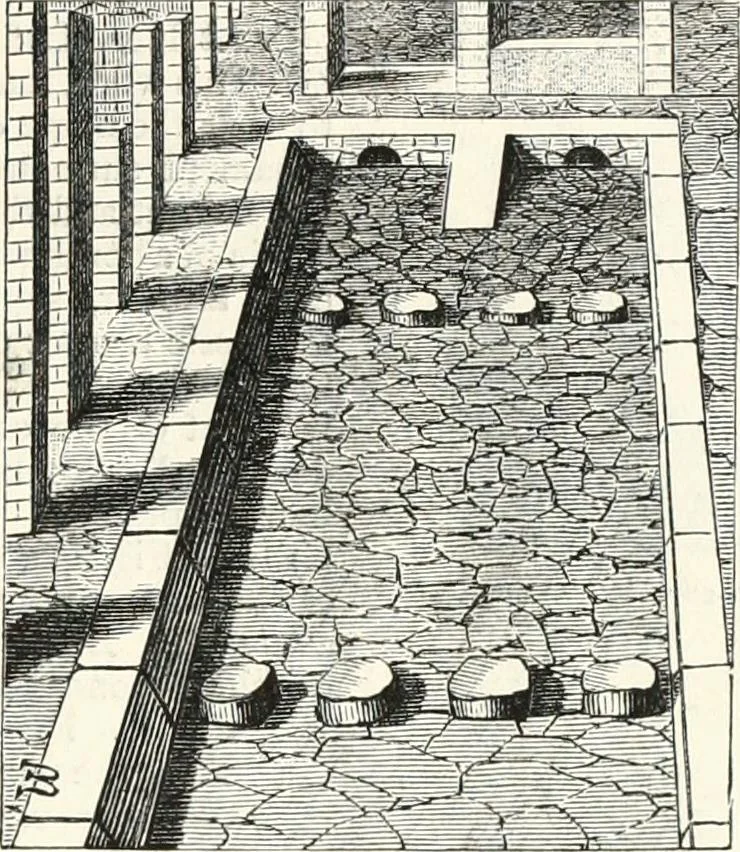
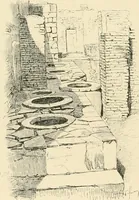
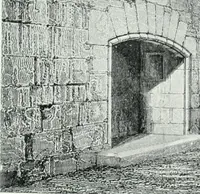
atina was the name given to a shoeof the simplest and plainest description. (SeeCarbatina.) [This shoe is only found repre-sented on figures clothed with the palliuin, notthe toga.X Crepido, Gr. and R. ((fpijTris). In a generalsense, any kind of base or stand upon whichanother object rests, and by… … Fig. 205. Crepido in a street in Pompeii. Pompeii, and Fig. 205 a crepido in the streets 01the same town. Crepitaculum, R. {crepo, to creak). A childsrattle, made in the form of a circle to which bellswere attached. These rattles have been foundin the excavations of Pompeii. Some authorsapply the…
Art -- Dictionaries · Archaeology -- Dictionaries
Internet Archive · Getty Research Institute · Public Domain Mark 1.0. Free to use for anything.